Are Fingerprint Aluminium Doors Worth It in 2026? Real Costs, Benefits & Long Term Value
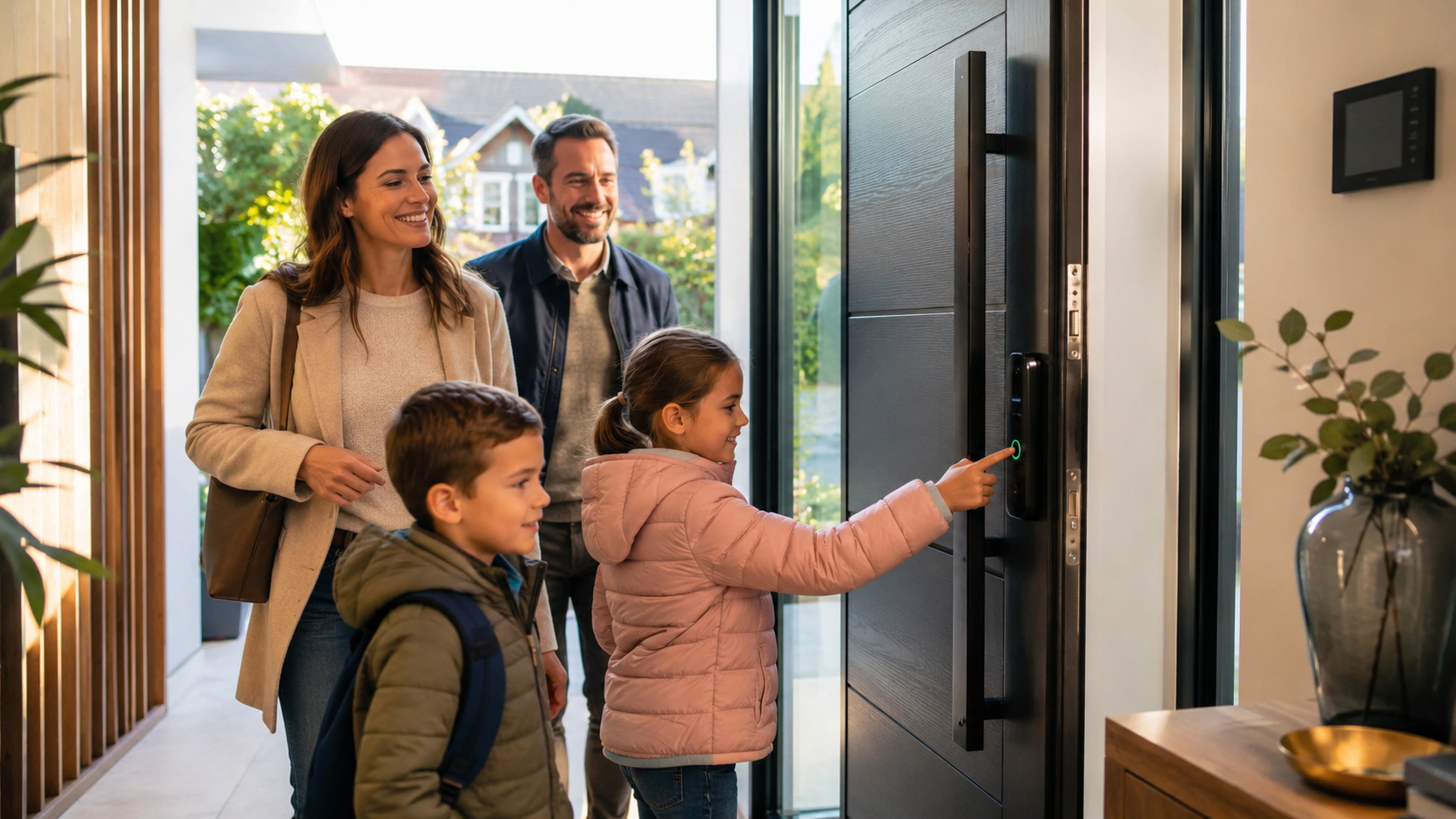
Fingerprint aluminium doors are no longer just a luxury feature found in futuristic homes. In 2026, they are becoming a serious consideration for homeowners who want stronger security, cleaner design, and everyday convenience without relying on traditional keys.
If you are new to biometric entrance systems, start with our fingerprint aluminium door beginner guide.
But one question still comes up more than any other:
Are fingerprint aluminium doors actually worth the money?
The short answer is yes for many homeowners, especially if you value long term durability, smart security, and modern design. But the full answer depends on your budget, lifestyle, and expectations.
Here’s what matters most before making the investment.

What Are Fingerprint Aluminium Doors?
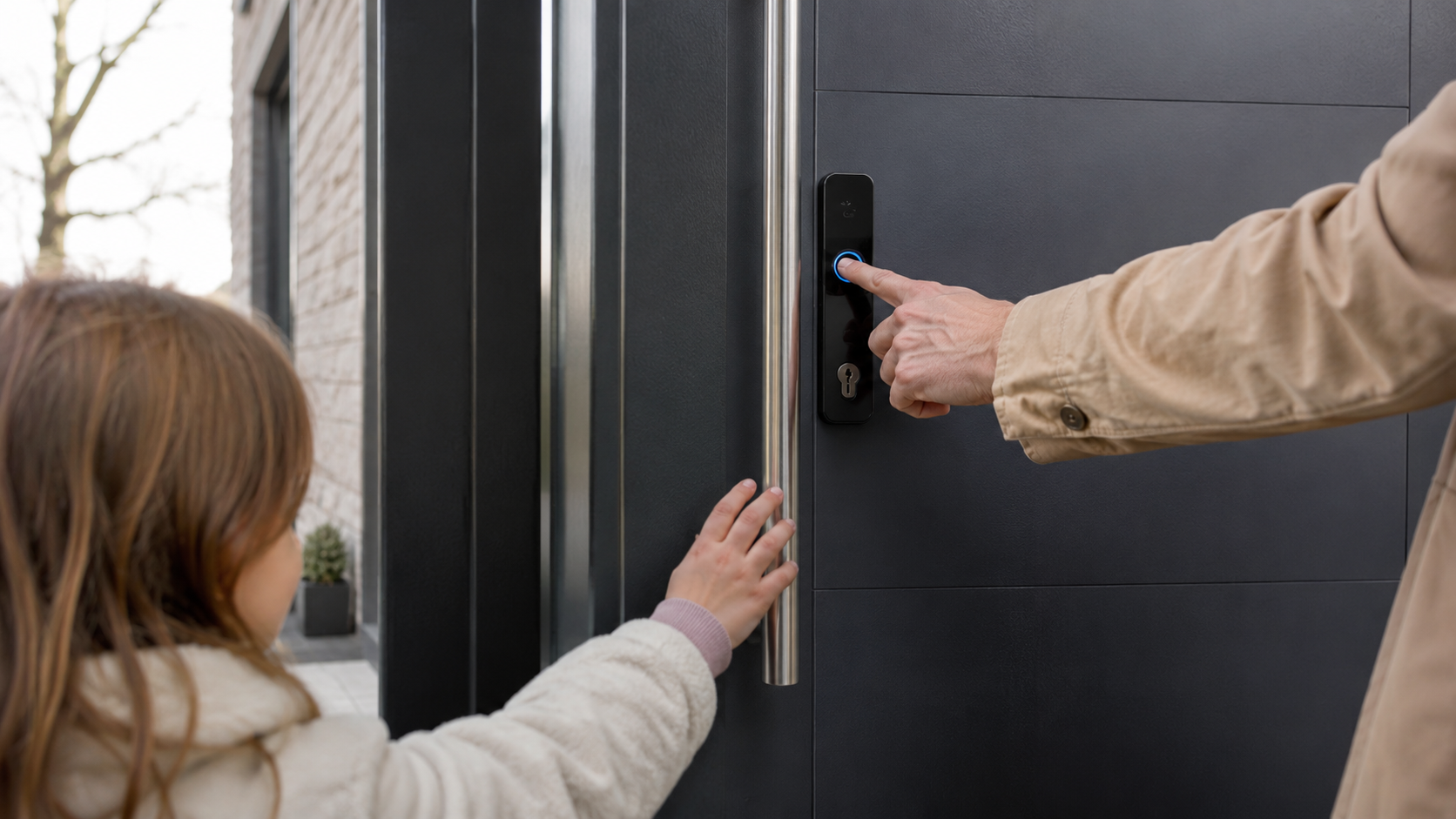
Fingerprint aluminium doors combine a thermally broken aluminium entrance door with a biometric access system that unlocks using an authorised fingerprint.
Instead of carrying keys, users simply place a finger on the sensor to unlock the door in seconds.
Most systems also include:
- Multi point motorised locking
- Smartphone app control
- Keypad access
- Backup emergency key
- Audit logs showing entry activity
- Smart home integration
The result is a front entrance system designed for both security and convenience.
Average UK Pricing in 2026
One of the main reasons people hesitate is price.
Fingerprint aluminium doors cost more upfront than standard composite or uPVC entrance doors, but the difference becomes easier to understand once you look at the technology and materials involved.
Typical UK Price Ranges
| Door Type | Estimated UK Price |
| Basic composite front door | £1,200–£2,000 |
| Premium composite smart door | £2,000–£3,500 |
| Standard aluminium entrance door | £2,500–£4,500 |
| Fingerprint aluminium door system | £4,000–£8,500+ |
Prices vary depending on:
- Door size
- Glazing configuration
- Smart lock brand
- Fingerprint sensor quality
- Frame finish
- Installation complexity
- Side panels and architectural features
A fully customised oversized entrance system for a luxury property can exceed £10,000.
That sounds expensive initially, but many buyers are not comparing these doors to budget entrance doors. They are comparing them to premium architectural systems designed to last decades.
What Actually Affects the Cost?
Not every fingerprint aluminium door is built to the same standard.
Two doors may look similar online while having completely different internal quality levels.
1. Aluminium Quality & Thermal Performance
Higher end systems use thermally broken aluminium frames with advanced insulation.
This improves:
- Energy efficiency
- Condensation resistance
- Structural stability
- Long term performance
Cheaper aluminium systems often compromise insulation quality.
2. Biometric Technology
The fingerprint reader itself significantly impacts cost.
Premium systems offer:
- Faster recognition
- Better weather resistance
- Anti spoofing protection
- Improved low light performance
- Liveness detection
Budget systems may feel slower or less reliable over time.
To better understand modern biometric protection, see biometric door security and technology explained.
3. Motorised Multi Point Locking
This is one of the biggest differences between smart aluminium doors and traditional doors.
When unlocked, several locking points retract simultaneously through an internal motorised mechanism. The entire system feels smoother, stronger, and more secure than a basic cylinder lock.
4. Customisation
Many homeowners choose:
- Oversized entrance doors
- Flush minimalist designs
- Pivot configurations
- Hidden handles
- Smart glass panels
- Bespoke RAL colours
Architectural customization naturally increases cost.
Explore options to configure your fingerprint entrance door based on your property style and security requirements.
The Long Term Durability Advantage
This is where aluminium doors begin making more financial sense.
A quality aluminium entrance door can realistically last several decades with minimal structural deterioration.
Unlike timber:
- Aluminium does not rot
- It does not swell
- It does not warp
- It does not crack from moisture exposure
And unlike some lower end door systems, powder coated finishes maintain their appearance for years without repainting.
Minimal Maintenance
Most homeowners only need:
- Occasional cleaning
- Sensor wiping
- Basic hinge checks
- Battery backup replacement every few years
That’s very different from maintaining painted timber entrance doors over long periods.
For busy homeowners, low maintenance becomes a genuine quality of life benefit.
Security Benefits Beyond Traditional Locks
A large part of the value comes from security.
Traditional front doors still rely heavily on physical keys and exposed cylinders. Those systems remain vulnerable to:
- Lock snapping
- Picking
- Key duplication
- Lost keys
- Forced manipulation
Fingerprint aluminium doors remove many of those weak points.
Why Biometric Access Feels More Secure
Instead of a key:
- Access is tied directly to authorised fingerprints
- Entry permissions can be managed digitally
- Temporary users can be added or removed easily
- Some systems keep access logs
Modern systems also use encrypted biometric templates rather than storing actual fingerprint images.
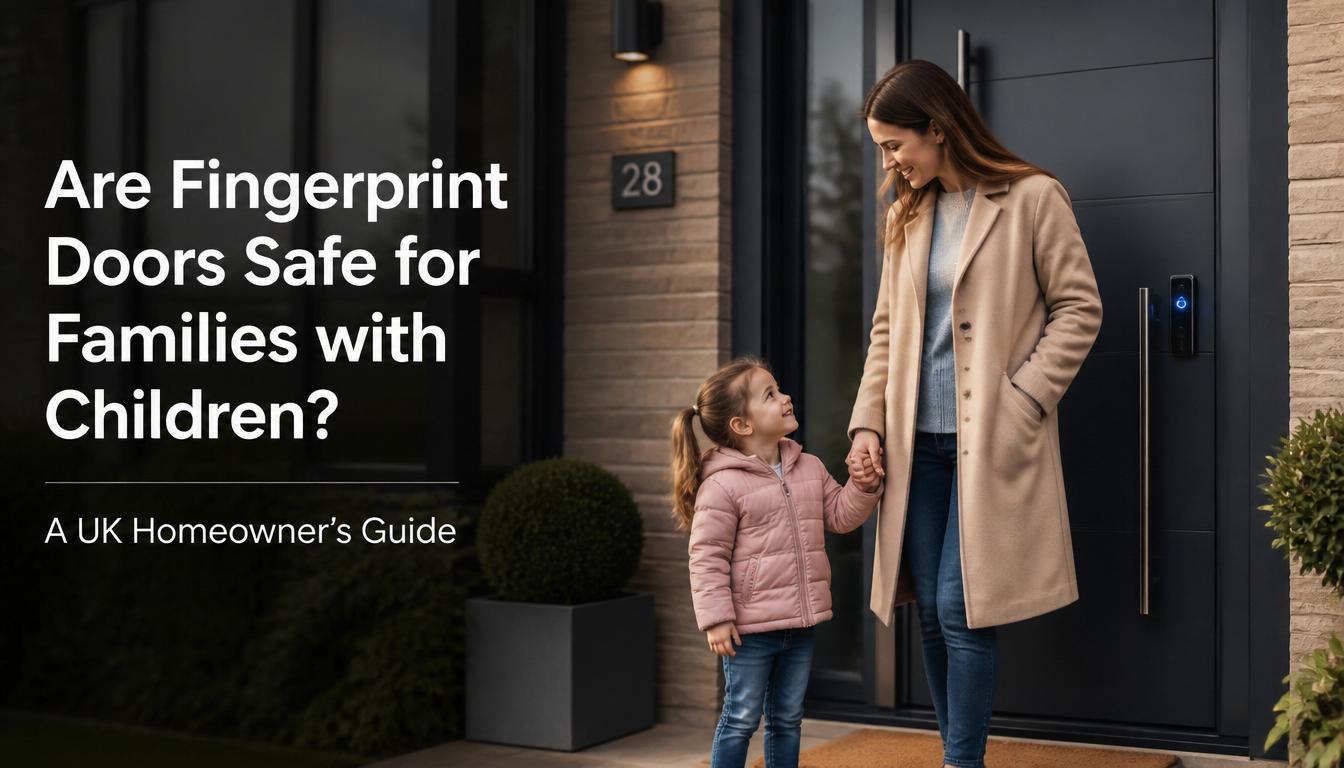
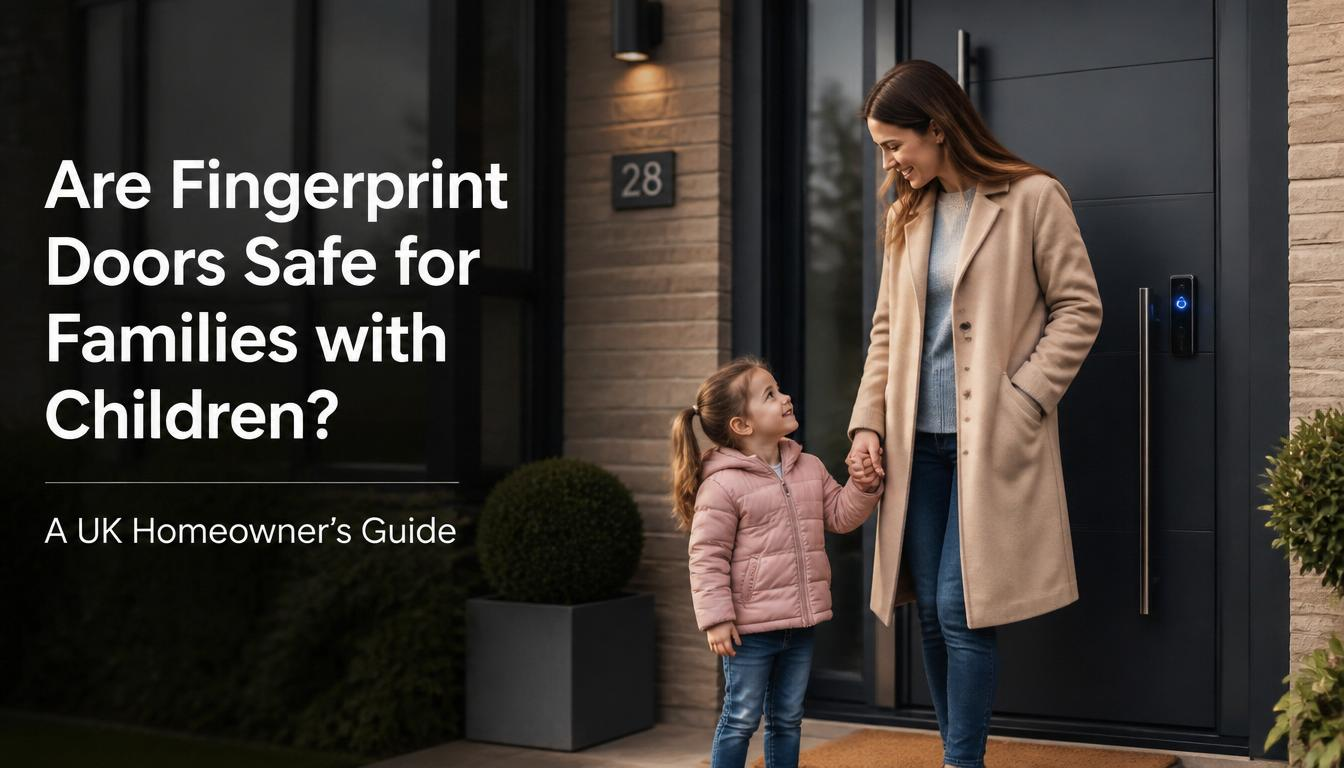
For families, this creates a simpler and more controlled access system.
Read more in our biometric door security and technology explained guide.
Everyday Convenience Matters More Than Most People Expect
Many buyers initially focus only on security.
Then they realise the biggest lifestyle improvement is convenience.
Real Life Example: Busy Family Home
A family with school age children often deals with:
- Lost keys
- Forgotten keys
- Lockouts
- Spare key management
With biometric access:
- Children no longer need physical keys
- Parents can monitor access remotely
- Deliveries and visitors become easier to manage
The system quietly removes daily friction.
Real Life Example: Luxury Renovation Projects
Architects and homeowners working on contemporary homes often choose fingerprint aluminium doors because traditional locks visually disrupt minimalist designs.
Biometric systems allow:
- Cleaner aesthetics
- Flush architectural finishes
- Hidden hardware
- Larger uninterrupted door surfaces
The technology supports the design rather than competing with it.
Explore available ways to configure your fingerprint entrance door for contemporary architecture projects.
Are They Energy Efficient?
Yes, especially compared to older aluminium systems from previous decades.
Modern thermally broken aluminium doors now achieve strong insulation performance while keeping slim sightlines.
Benefits include:
- Reduced heat transfer
- Better indoor comfort
- Lower condensation risk
- Improved weather resistance
The exact efficiency depends heavily on:
- Frame design
- Glass specification
- Installation quality
- Seal performance
A poorly installed premium door can still underperform.
Comparing Long Term Value vs Upfront Cost
This is the real question most buyers are asking.
A fingerprint aluminium door costs more initially. Nobody should pretend otherwise.
But value is not only about the purchase price.
Over 15–25 Years, Owners Also Gain:
- Reduced maintenance costs
- Better durability
- Higher security
- Improved property appearance
- Smart home compatibility
- Increased convenience
- Potential property value appeal
For homeowners already investing heavily in renovations or premium architecture, the upgrade often feels proportionate.
Where Traditional Doors Still Make More Sense
Fingerprint aluminium doors are not automatically the right choice for everyone.
A standard composite door may still be better if:
- Budget is the primary concern
- You rarely use the front entrance
- Smart technology is unimportant to you
- You prefer fully mechanical systems
- The property is purely rental focused
Sometimes a simpler solution is genuinely more practical.
Downsides Worth Knowing About
Every premium system has trade offs.
Higher Initial Cost
This is still the biggest barrier.
The technology, aluminium fabrication, smart locking hardware, and installation all contribute to the final price.
Power Dependency
Most systems require electricity.
Quality systems include:
- Battery backup
- Emergency override access
- Mechanical fail safe options
Still, some homeowners simply prefer fully mechanical doors.
More Complex Installation
Biometric entrance systems require experienced installation.
Poor installation can affect:
- Alignment
- Lock reliability
- Thermal performance
- Weather sealing
Choosing the installer matters almost as much as choosing the door itself.
Are Fingerprint Aluminium Doors Worth It in 2026?
For many modern homeowners, yes.
Especially if you:
- Value security
- Want keyless convenience
- Appreciate contemporary architecture
- Plan to stay in the property long term
- Are already investing in premium upgrades
The combination of durability, design, and smart access creates a strong long term ownership experience.
These doors are not just about technology. They are about reducing friction in daily life while improving how a home looks and functions.
For buyers expecting a cheap alternative to a traditional front door, the pricing may feel difficult to justify.
But for homeowners comparing premium entrance systems, the long term value proposition becomes much clearer.
Explore available configurations and compare biometric entrance systems before choosing a final specification. A showroom visit or expert consultation can also help you understand the differences between entry level and premium systems.
Take the next step and request a sample or showroom visit to better understand the differences between entry level and premium systems.
FAQ
Do fingerprint aluminium doors work during power cuts?
Yes. Most premium systems include battery backup power that keeps the lock operational during outages. Many also include a concealed mechanical key override.
Can fingerprint systems be hacked?
Modern biometric systems use encrypted fingerprint templates and advanced security protocols. No system is completely immune to risk, but high quality biometric doors are considered very secure for residential use.
How long do aluminium entrance doors last?
A well manufactured aluminium entrance door can last several decades with relatively low maintenance.
Are fingerprint sensors reliable in bad weather?
Quality sensors are designed for outdoor use and typically operate reliably in rain, cold temperatures, and direct sunlight.
Do fingerprint doors increase property value?
They may improve buyer appeal, especially in luxury homes, contemporary renovations, and smart home focused properties.
Leave a Reply