The Best Places to Use Fingerprint Aluminium Doors in Modern Architecture & High Security Properties
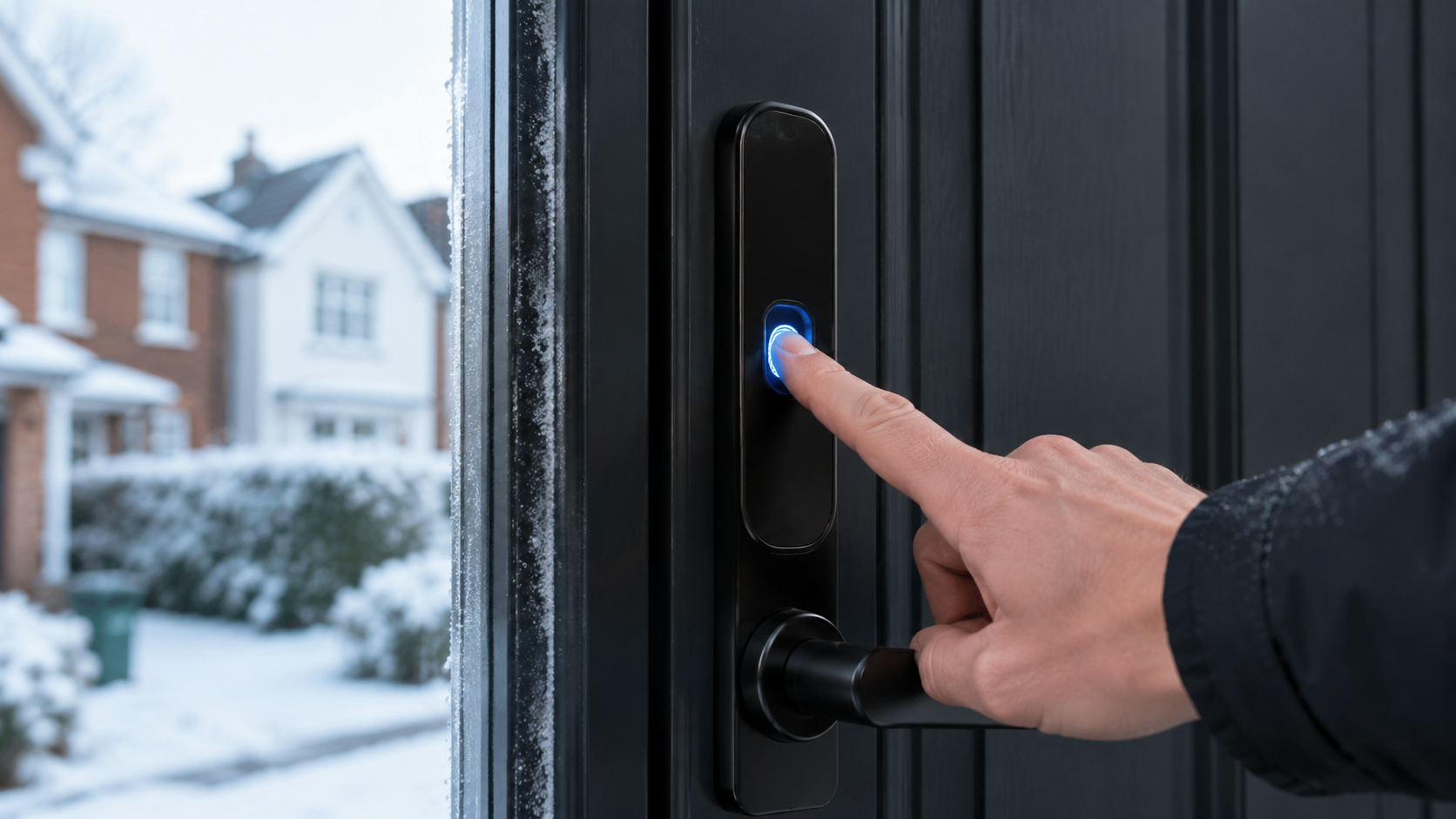
Fingerprint aluminium doors have moved far beyond the idea of being a futuristic luxury feature.
In 2026, they are increasingly becoming part of modern architectural planning from high end residential projects to premium commercial developments where security, convenience, and minimalist design all matter equally.
If you are new to smart biometric entrance systems, start with our fingerprint aluminium door beginner guide.
What makes them different is not just the biometric technology.
It is the combination of:
- Smart access systems
- Architectural aluminium construction
- Contemporary design flexibility
- Integrated security
- Long term durability
Together, these features create entrance systems that fit naturally into modern buildings where traditional doors often feel visually outdated or technically limited.
Here’s where fingerprint aluminium doors make the most sense and why architects, developers, and homeowners are increasingly choosing them.

Why Fingerprint Aluminium Doors Work So Well in Modern Architecture
Modern architecture tends to prioritise:
- Clean lines
- Minimal visual clutter
- Large format entrances
- Hidden hardware
- Smart integration
- Open contemporary aesthetics
Traditional entrance doors can interrupt that visual flow.
Large handles, exposed cylinders, bulky frames, and visible locking systems often clash with minimalist design language.
Fingerprint aluminium doors solve many of those issues by integrating access technology directly into the entrance system itself.
The result feels:
- Cleaner
- More premium
- More architectural
- More technologically refined
At the same time, aluminium provides the structural strength needed for oversized contemporary entrance designs that other materials struggle to support long term.
To better understand how these systems improve security and access control, see biometric door security and technology explained.
Luxury Homes & High End Residential Properties
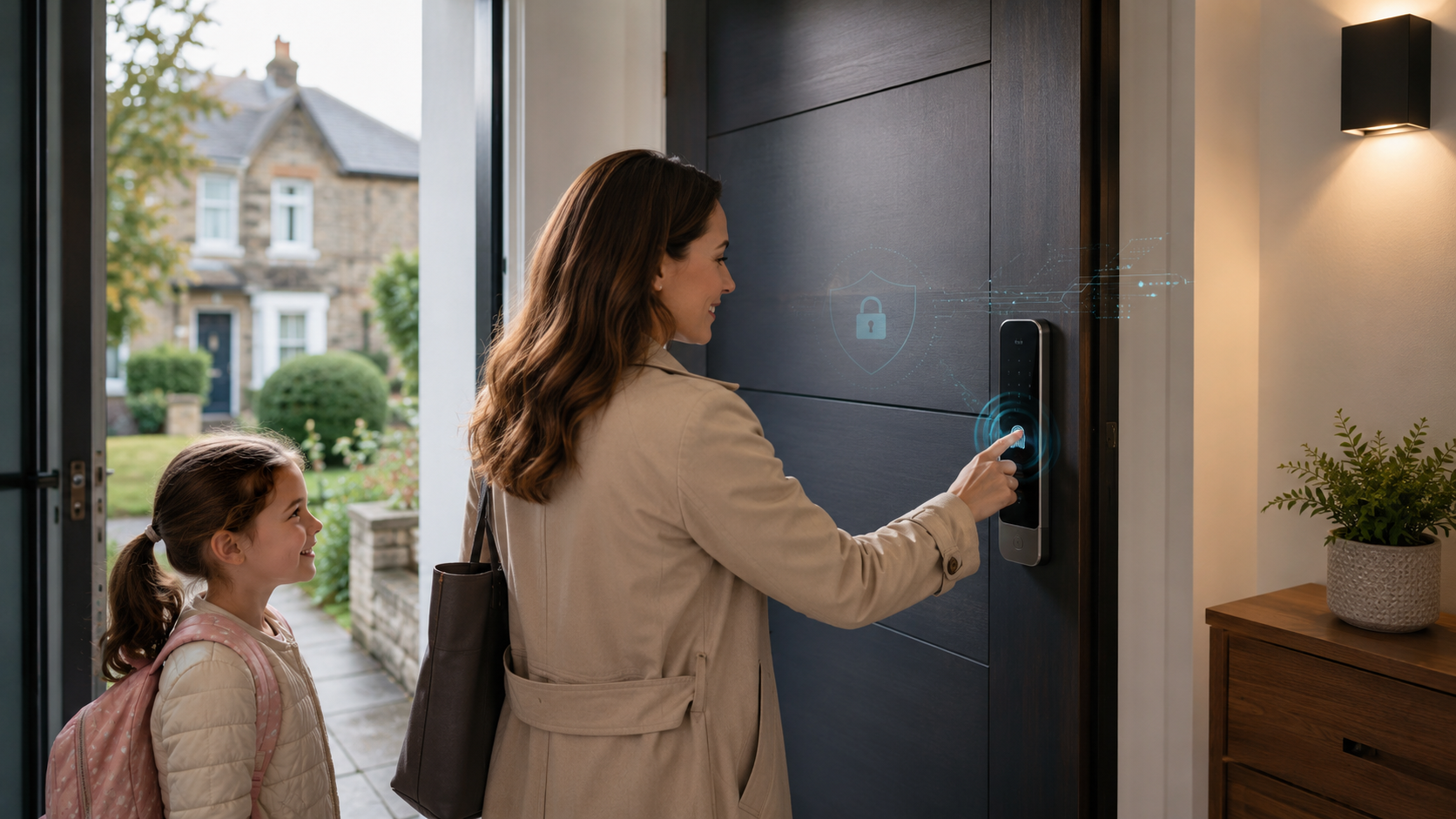
Luxury homes are one of the most natural environments for fingerprint aluminium doors.
Homeowners investing heavily in architecture and interior design rarely want the entrance to feel like an afterthought.
Why They Work Well in Luxury Homes
Biometric aluminium doors complement:
- Minimalist façades
- Frameless glazing
- Smart home ecosystems
- Contemporary landscaping
- Large pivot entrance systems
The technology also aligns naturally with premium lifestyle expectations.
Homeowners appreciate:
- Keyless entry
- Quiet motorised locking
- Remote access control
- Seamless daily use
- Enhanced privacy
The entrance experience itself becomes part of the property’s identity.
Explore available ways to configure your fingerprint entrance door for luxury residential projects.
Real World Design Value
Architects often prefer aluminium because it allows:
- Larger door dimensions
- Slimmer frames
- Flush finishes
- Hidden hinges
- Bespoke colours
- Integrated lighting features
Explore available architectural entrance configurations to understand how biometric systems can be incorporated into luxury residential projects.
Modern Apartments & Premium Urban Developments
Fingerprint aluminium doors are increasingly appearing in modern apartment developments, particularly in:
- Luxury apartment buildings
- Penthouse properties
- Secure private residences
- Smart residential developments
In dense urban environments, access control becomes especially important.
Why Developers Like Smart Entrance Systems
Traditional keys create ongoing management issues:
- Lost keys
- Tenant turnover
- Security reconfiguration
- Access tracking limitations
Biometric systems simplify many of those problems.
Access permissions can often be:
- Updated digitally
- Managed remotely
- Removed instantly when needed
That creates operational advantages for both residents and property managers.
Resident Convenience
For apartment residents, fingerprint access feels particularly practical because daily entry is frequent.
Returning home with:
- Shopping bags
- Gym equipment
- Children
- Deliveries
becomes noticeably easier without keys.
Smart Homes & Connected Living Projects
Fingerprint aluminium doors fit naturally into smart home ecosystems.
Modern homeowners increasingly expect:
- Remote control
- Automation
- Smartphone integration
- Connected security systems
A traditional mechanical front door can feel disconnected from the rest of the property’s technology.
Integration Possibilities
Many premium systems integrate with:
- Smart lighting
- CCTV systems
- Alarm systems
- Home automation platforms
- Voice assistants
For example:
- Unlocking the entrance could trigger hallway lighting
- Security cameras may activate automatically
- Temporary access permissions can be issued remotely
The entrance door becomes part of the wider smart home experience rather than remaining a standalone object.
Commercial Offices & Professional Workspaces
Commercial architecture increasingly favours access systems that combine security with professional aesthetics.
Fingerprint aluminium doors work especially well for:
- Executive offices
- Design studios
- Technology companies
- Creative workspaces
- Secure administration areas
Why Offices Benefit from Biometric Access
Businesses often need:
- Controlled staff access
- Entry monitoring
- Flexible permissions
- Reduced key management
Biometric access simplifies those requirements considerably.
There is also a strong visual advantage.
Modern aluminium entrances create a cleaner and more contemporary first impression for:
- Clients
- Visitors
- Employees
That matters more than many businesses initially realise.
Read more in our biometric door security and technology explained guide.
Private Clinics & Medical Facilities
Private healthcare environments increasingly prioritise:
- Controlled access
- Clean aesthetics
- Professional presentation
- Secure patient environments
Fingerprint aluminium doors fit well within:
- Cosmetic clinics
- Dental practices
- Wellness centres
- Private medical facilities
Security Without an Institutional Appearance
Traditional commercial security systems can sometimes feel harsh or industrial.
Biometric aluminium systems provide security in a more refined way.
That balance is particularly valuable in premium patient facing environments where atmosphere matters.
Practical Operational Benefits
Staff access can be:
- Managed efficiently
- Updated quickly
- Restricted by area if needed
Without the constant need for physical key management.
Gated Properties & High Security Residences
High security residential properties often require more than a standard front door.
Owners may prioritise:
- Controlled visitor access
- Remote monitoring
- Enhanced perimeter security
- Privacy
Fingerprint aluminium entrance systems support those priorities naturally.
Why They Add Value in Secure Properties
Premium systems can provide:
- Real time access monitoring
- Visitor management
- Multiple user profiles
- Remote entry control
- Integrated surveillance compatibility
For gated homes, the entrance door becomes part of a wider security strategy.
Explore advanced options to configure your fingerprint entrance door for high security residential properties.
Contemporary Architectural Projects
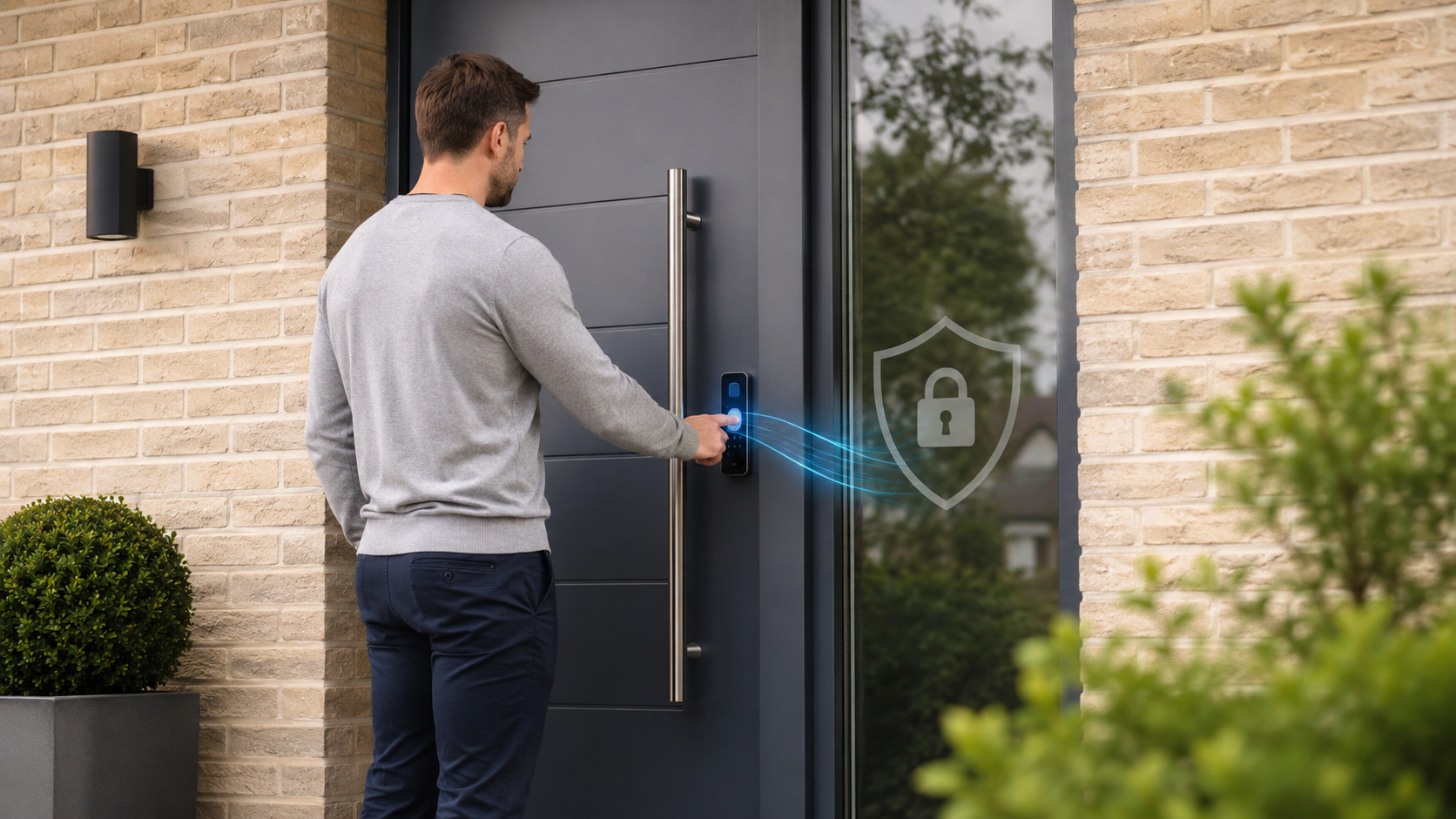
Some of the strongest applications appear in architect designed homes and bespoke contemporary builds.
Why?
Because aluminium allows designers to push entrance dimensions and aesthetics further than many traditional materials comfortably allow.
Architectural Flexibility
Fingerprint aluminium doors support:
- Oversized entrance panels
- Pivot door systems
- Minimalist flush designs
- Full height entrances
- Hidden detailing
- Custom finishes
The biometric technology also reduces the need for visually disruptive external hardware.
That helps preserve clean architectural lines.
Design Led Customisation
Architects and designers can customise:
- Frame colours
- Glazing layouts
- Handle configurations
- Surface finishes
- Lighting integration
- Smart access positioning
The entrance becomes fully integrated into the wider design concept.
Security Advantages Beyond Traditional Locks
One reason biometric aluminium doors are becoming more attractive in premium architecture is that they improve security without compromising appearance.
Traditional locks require:
- External cylinders
- Visible handles
- Key access hardware
Fingerprint systems reduce or eliminate many of those visible components.
Security Features Commonly Included
Most premium systems offer:
- Multi point motorised locking
- Encrypted fingerprint storage
- Remote monitoring
- Access logs
- Anti tamper protection
- Temporary access permissions
The result feels both technologically advanced and physically secure.
Practical Daily Convenience
Technology matters most when it improves everyday life.
Fingerprint aluminium doors simplify routines in ways homeowners often underestimate initially.
Common Daily Benefits
Users appreciate:
- No lost keys
- Faster entry
- Easier visitor management
- Better family access control
- Cleaner entrance aesthetics
Busy households especially notice the difference quickly.
The convenience becomes part of normal daily behaviour almost immediately.
Are Fingerprint Aluminium Doors Worth It for Every Property?
Not necessarily.
For some traditional homes, a conventional entrance door may still feel more appropriate aesthetically and financially.
But for:
- Contemporary architecture
- Smart homes
- Luxury properties
- High security environments
- Premium developments
fingerprint aluminium doors increasingly feel like the more natural long term solution.
They combine:
- Architectural quality
- Smart technology
- Modern convenience
- Premium security
- Long term durability
in a way traditional entrance systems often struggle to match.
You can also compare the long term ownership benefits in our guide on fingerprint aluminium doors worth the investment.
Choosing the Right System Matters
Not all biometric aluminium systems are equal.
Differences in:
- Sensor quality
- Thermal performance
- Locking systems
- Installation standards
- Software reliability
can significantly affect long term performance.
That is why many architects and developers prefer working with specialist manufacturers experienced in premium entrance systems.
Request a showroom consultation or compare available fingerprint aluminium door systems to better understand which configurations suit your project type and security requirements.
Take the next step and request a sample or showroom visit to explore premium entrance systems in person.
FAQ
Are fingerprint aluminium doors suitable for apartments?
Yes. They work particularly well in premium apartment developments where convenience, security, and modern aesthetics are priorities.
Can biometric aluminium doors be customised?
Absolutely. Most systems allow extensive customisation including colours, glazing, finishes, handles, and access configurations.
Do fingerprint doors work well in commercial buildings?
Yes. Many offices, clinics, and professional environments use biometric access systems for both security and convenience.
Are fingerprint aluminium doors secure enough for luxury homes?
Premium systems are designed specifically for high security residential use and often include advanced multi point locking and encrypted access management.
Do smart entrance systems require constant internet access?
No. Most fingerprint recognition systems operate locally even if Wi Fi or internet service is temporarily unavailable.
Leave a Reply