How to Choose the Right Fingerprint Aluminium Door System for Your Home or Business
Fingerprint entrance technology has evolved quickly over the last few years.
What once felt like a futuristic luxury feature is now becoming a realistic option for homeowners, architects, developers, and businesses looking for a more secure and modern entrance solution.
If you are completely new to biometric entrance systems, start with our fingerprint aluminium door beginner guide.
But choosing the right fingerprint aluminium door system is not just about selecting a stylish front door with a biometric scanner.
There are major differences between systems when it comes to:
- Security
- Build quality
- Sensor performance
- Smart integrations
- Installation standards
- Long term reliability
And because these systems are usually a long term investment, making the right decision early matters.
This guide explains what to look for, how different systems compare, and how to choose a setup that genuinely fits your property and lifestyle.

What Is a Fingerprint Aluminium Door System?
A fingerprint aluminium door system combines:
- A thermally broken aluminium entrance door
- A biometric fingerprint scanner
- A motorised locking mechanism
- Smart access technology
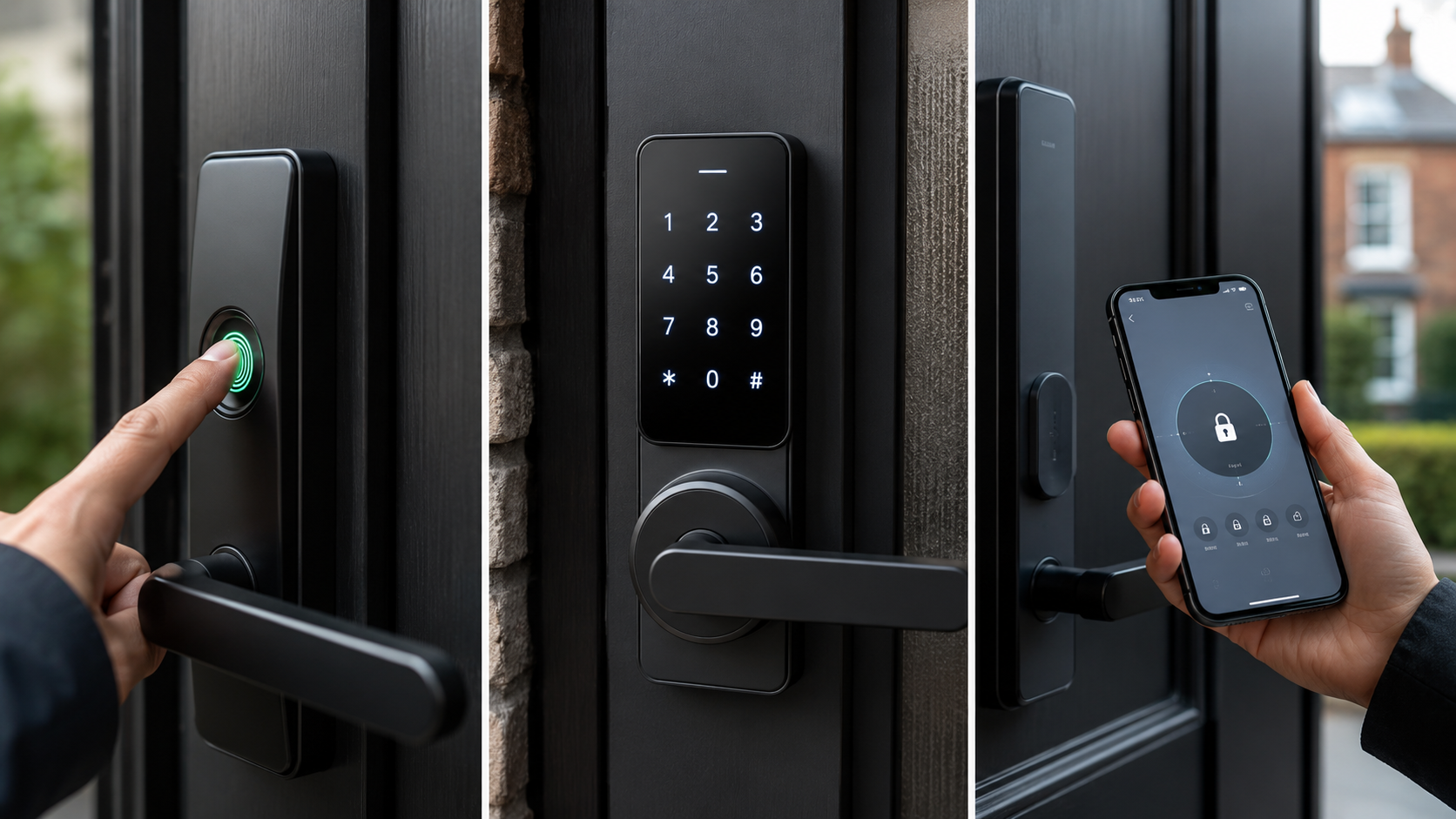
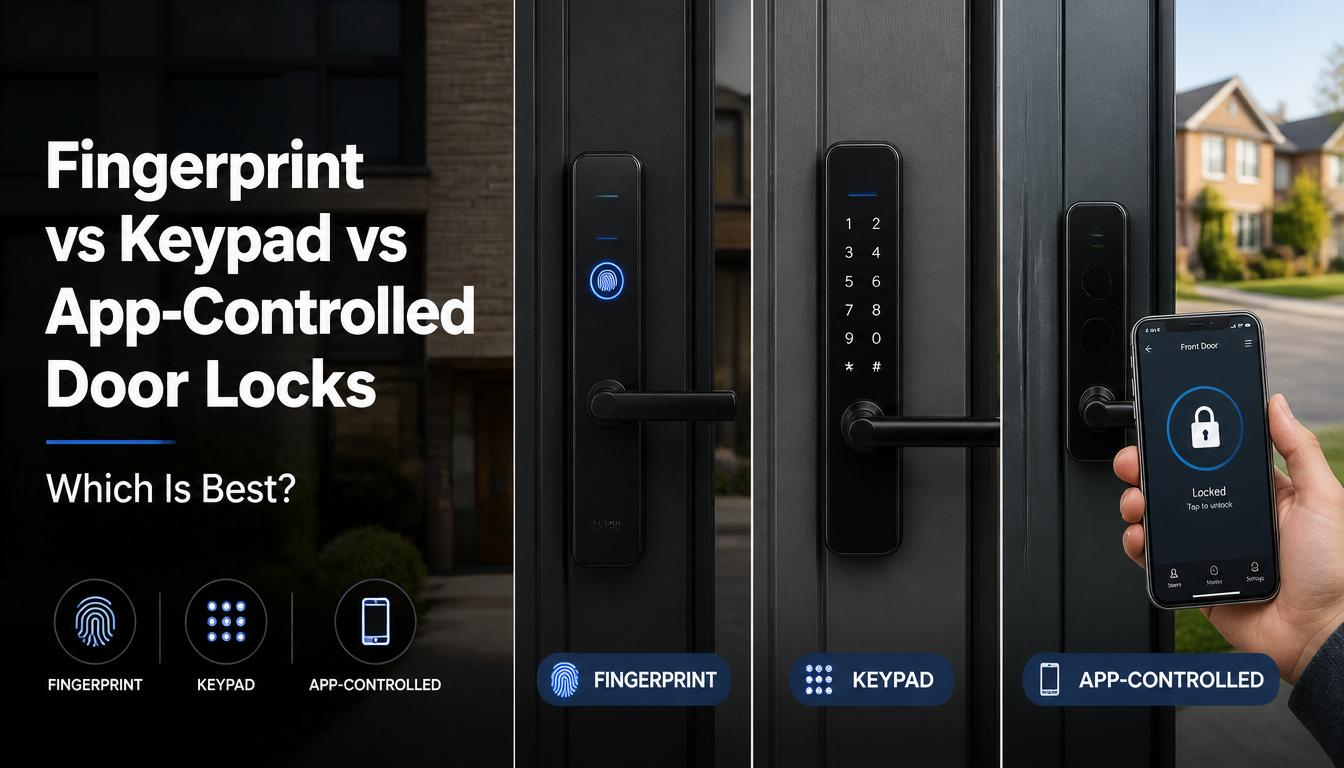
Instead of relying entirely on physical keys, authorised users unlock the entrance using fingerprint recognition, smartphone access, keypads, or other digital entry methods.
Most premium systems also include:
- Multi point locking
- Remote management
- Backup access options
- Smart home compatibility
- Access logs and monitoring
The goal is to improve:
- Security
- Convenience
- Architectural appearance
- Daily usability
Step 1: Decide Whether the System Is for Residential or Commercial Use
This is one of the first decisions to make because residential and commercial requirements are often very different.
Residential Fingerprint Door Systems
Homeowners usually prioritise:
- Convenience
- Design
- Security
- Smart home integration
- Family access management
Residential systems are often designed to feel:
- Clean
- Minimal
- User friendly
- Architecturally refined
Fingerprint access is especially popular in:
- Luxury homes
- Smart homes
- Contemporary renovations
- Gated properties
Commercial Fingerprint Door Systems
Commercial environments may require:
- Higher user capacity
- More detailed access control
- Staff permissions
- Audit trails
- Greater operational durability
Businesses often focus more heavily on:
- Scalability
- Security management
- Reliability under constant use
The ideal system depends heavily on how the entrance will actually be used day to day.
Step 2: Understand the Different Biometric System Types
Not all fingerprint systems operate the same way.
The sensor technology itself makes a significant difference.
Capacitive Fingerprint Sensors
These are common in premium residential systems.
They work by reading the electrical properties of a fingerprint and are generally:
- Fast
- Accurate
- Difficult to spoof
- Reliable in daily use
Many modern smartphone sensors use similar technology.
Optical Fingerprint Sensors
Optical systems capture an image of the fingerprint pattern.
They can work well, but cheaper versions may:
- Respond more slowly
- Struggle in poor conditions
- Be easier to trick
High end optical systems still perform effectively when properly engineered.
Advanced Biometric Systems
Some premium systems also include:
- Liveness detection
- AI assisted recognition
- Multi user management
- Adaptive fingerprint learning
These features improve both security and convenience over time.
To better understand how modern systems protect homes and businesses, see biometric door security and technology explained.
Step 3: Prioritise Security Levels Properly
Many homeowners focus heavily on the fingerprint scanner itself.
But the scanner is only one part of the security system.
The door structure and locking mechanism matter just as much.
Look for Multi Point Locking Systems
Premium fingerprint aluminium door systems usually include motorised multi point locking.
That means several locking points engage simultaneously around the frame.
Benefits include:
- Stronger resistance to forced entry
- Better sealing performance
- Improved structural stability
- More secure overall locking
This is a major upgrade over basic single point locks.
Encrypted Access Storage
Quality systems store fingerprint templates securely using encryption.
Importantly:
- The system stores mathematical data
- Not actual fingerprint images
That reduces security risks significantly.
Anti Tamper Features
Advanced systems may also include:
- Forced entry alerts
- Lockdown modes
- Failed attempt monitoring
- Security notifications
Explore available security configurations carefully before selecting a final system.
Step 4: Compare Smart Lock Integration Features
One reason many people choose biometric doors is convenience.
But smart functionality varies significantly between systems.
Features Worth Considering
Modern systems may include:
- Smartphone unlocking
- Remote access control
- Temporary digital keys
- Scheduled permissions
- Smart home integration
- Voice assistant compatibility
- CCTV integration
For some homeowners, these features become daily essentials surprisingly quickly.
Think About Your Lifestyle
A busy family may value:
- Remote monitoring
- Easy child access
- Visitor management
A business may care more about:
- Employee permissions
- Entry logs
- Scalable access control
Choose the features you will realistically use rather than simply chasing specifications.
Step 5: Evaluate Backup Access Options
This is one of the most important but overlooked areas.
Every quality fingerprint aluminium door system should include multiple backup entry methods.
Common Backup Options
Look for systems with:
- Mechanical emergency keys
- Smartphone access
- PIN keypad entry
- Battery backup systems
Premium systems are designed specifically to avoid lockout situations.
Battery Backup Matters
Most systems rely on electricity for motorised locking.
A good system should:
- Continue operating during outages
- Provide low battery alerts
- Support emergency override access
Reliable backup planning is one sign of a properly engineered entrance system.
Read more in our guide on what happens if a fingerprint door fails.
Step 6: Assess Door Construction & Aluminium Quality
Not all aluminium doors are equal.
The door itself still matters even if the technology is excellent.
Thermally Broken Aluminium Frames
Modern premium systems use thermally broken aluminium.
This improves:
- Energy efficiency
- Condensation resistance
- Indoor comfort
- Weather performance
Older or cheaper aluminium systems may perform far worse thermally.
Structural Strength
Aluminium allows:
- Oversized entrance doors
- Slim frames
- Large glazing sections
- Contemporary architectural designs
Without compromising stability.
This is one reason aluminium is widely used in premium architecture.
Step 7: Choose a Design That Matches the Property
The best fingerprint aluminium door system should complement the architecture of the building itself.
Contemporary Homes
Modern properties often suit:
- Flush entrance systems
- Minimal handles
- Large format panels
- Hidden hardware
- Matte finishes
Traditional or Transitional Properties
Some homeowners prefer:
- Warmer finishes
- Textured coatings
- Softer design lines
- Mixed contemporary/classic styling
Most premium manufacturers offer extensive customisation.
Popular Design Choices
Buyers commonly customise:
- RAL colours
- Glazing layouts
- Handle styles
- Side panels
- Pivot configurations
- Integrated lighting
- Smart access positioning
Request showroom samples or visual design previews before finalising specifications.
Explore available ways to configure your fingerprint entrance door based on your architectural style and security goals.
Step 8: Understand Installation Requirements
Even the best system can underperform if installed badly.
Installation quality affects:
- Lock alignment
- Sensor reliability
- Thermal efficiency
- Weather sealing
- Long term durability
Choose Experienced Installers
Look for specialists experienced specifically with:
- Smart entrance systems
- Aluminium fabrication
- Motorised locking systems
- Biometric access systems
Improper installation is one of the biggest causes of performance problems.
Ask About Aftercare Support
A quality supplier should also provide:
- Technical support
- Maintenance guidance
- Software assistance
- Emergency support access
That matters long term.
Step 9: Balance Budget vs Long Term Value
Fingerprint aluminium door systems are premium products.
They cost more upfront than:
- Standard composite doors
- Traditional aluminium systems
- Basic smart locks
But the long term value can be very different.
Typical UK Pricing
| System Type | Estimated Price |
| Basic smart entrance system | £3,000–£5,000 |
| Premium fingerprint aluminium system | £5,000–£9,000+ |
| Bespoke architectural entrance system | £10,000+ |
The final price depends on:
- Door size
- Security specification
- Smart technology
- Customisation
- Installation complexity
Think Beyond the Initial Cost
Premium systems may provide:
- Longer lifespan
- Better security
- Lower maintenance
- Improved property appeal
- Greater convenience
- Better architectural integration
For many buyers, those long term benefits justify the higher upfront investment.
You can also compare ownership benefits in our guide on fingerprint aluminium doors worth the investment.
Fingerprint Aluminium Door Buying Checklist
Before choosing a system, ask yourself:
Security
- Does it use multi point locking?
- Are fingerprint templates encrypted?
- Does it include anti tamper protection?
Backup Access
- Is there battery backup?
- Is a mechanical override included?
- Are multiple access methods available?
Smart Features
- Does it support smartphone control?
- Is remote access available?
- Can user permissions be managed easily?
Build Quality
- Is the aluminium thermally broken?
- What finish quality is offered?
- Is the glazing high performance?
Installation
- Does the installer specialise in biometric systems?
- Is aftercare support included?
- Are warranties clearly explained?
Design
- Does the system suit the property style?
- Are custom finishes available?
- Can hardware be integrated discreetly?
Which Fingerprint Aluminium Door System Is Right for You?
There is no single “best” system for everyone.
The right choice depends on:
- Property type
- Security priorities
- Architectural goals
- Smart home requirements
- Budget expectations
For some homeowners, a simpler smart entrance system may be ideal.
For luxury properties, contemporary builds, and security focused projects, fully integrated biometric aluminium entrance systems often provide the best long term balance of:
- Security
- Design
- Durability
- Convenience
- Architectural value
Compare available fingerprint aluminium door systems carefully and request professional guidance before finalising specifications. Seeing the systems in person often makes the differences in quality and functionality much easier to understand.
Take the next step and request a sample or showroom visit to compare system quality, finishes, and smart access features in person
FAQ
Are fingerprint aluminium door systems secure?
Yes. Premium systems combine biometric access with advanced multi point locking and encrypted security management.
Can fingerprint doors work without Wi Fi?
Yes. Most systems operate locally and continue functioning even if internet service is temporarily unavailable.
What happens during a power cut?
Quality systems include battery backup and emergency access methods such as concealed mechanical override keys.
Are biometric entrance doors suitable for businesses?
Absolutely. Many commercial systems offer advanced user management and scalable access control.
How long do aluminium entrance systems last?
A well manufactured aluminium entrance system can last several decades with relatively low maintenance.
Leave a Reply