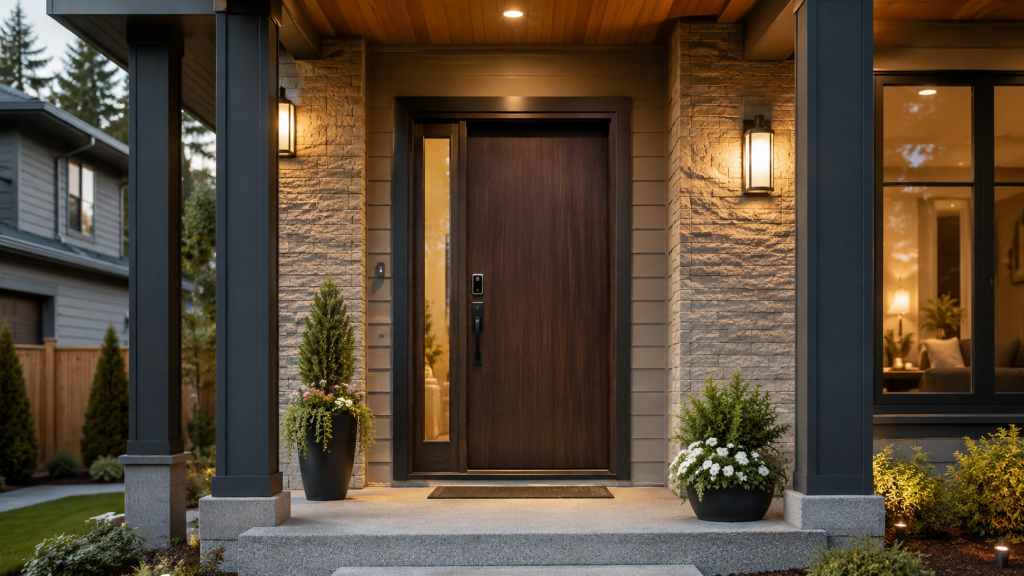
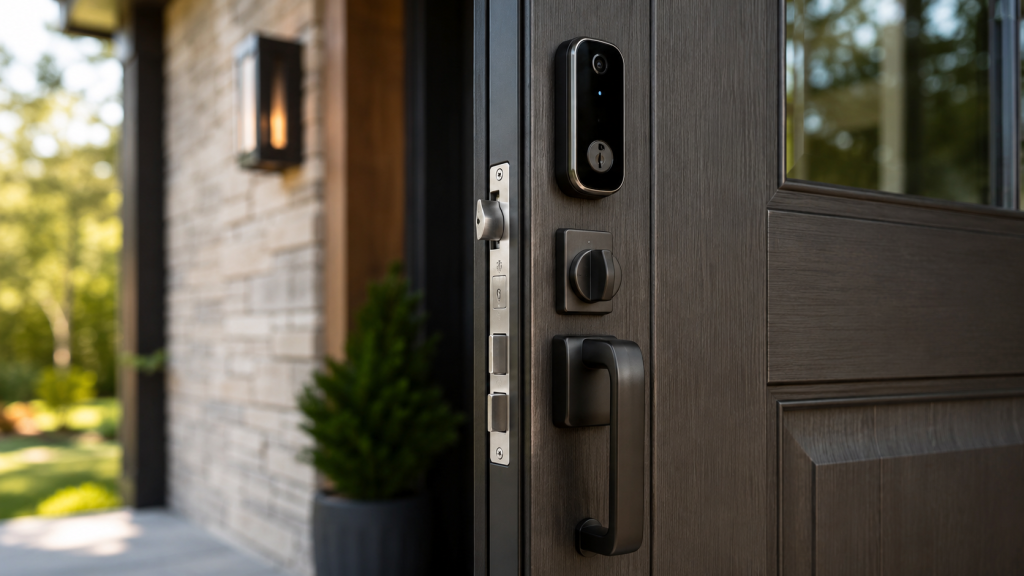
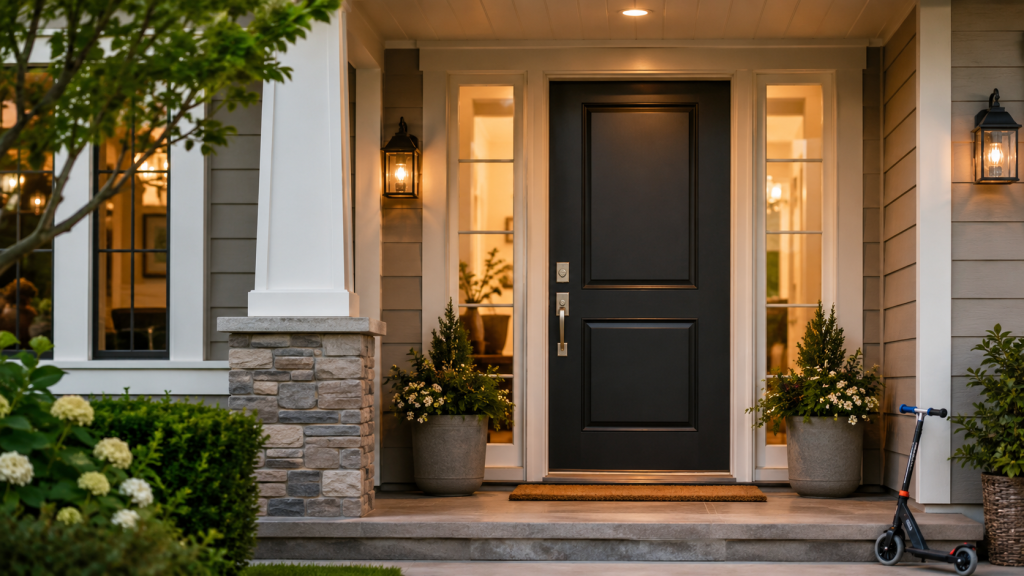
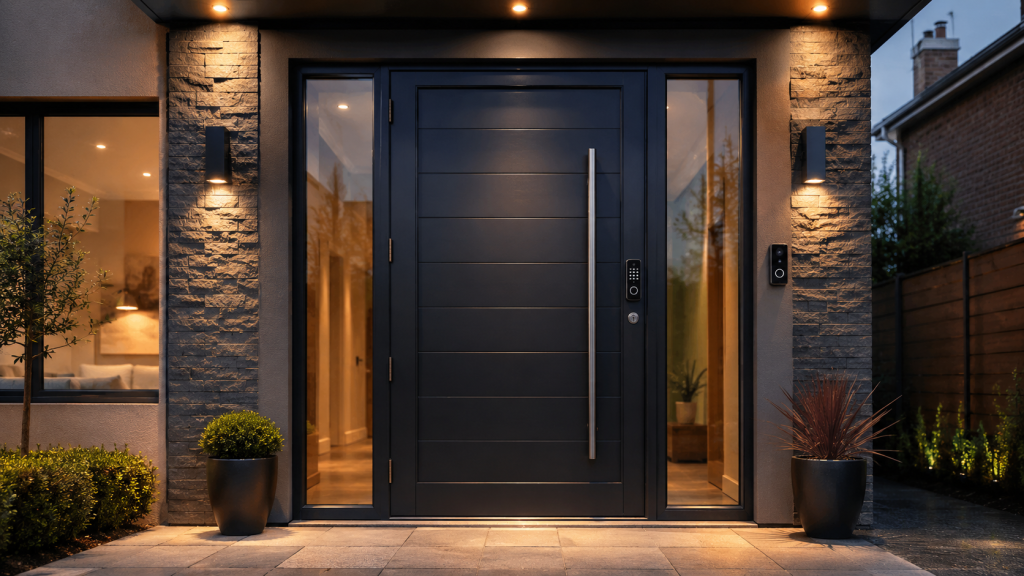
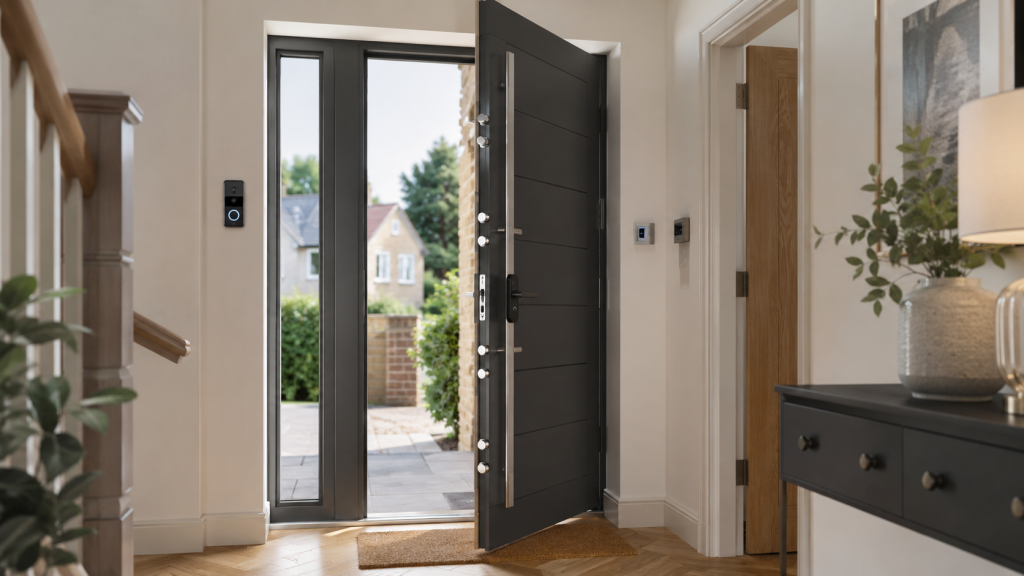
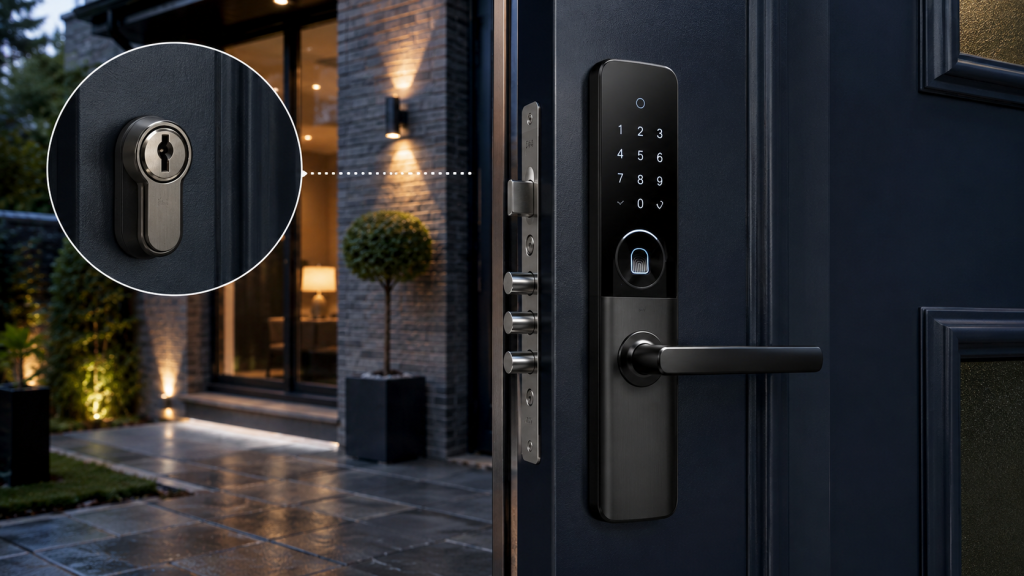
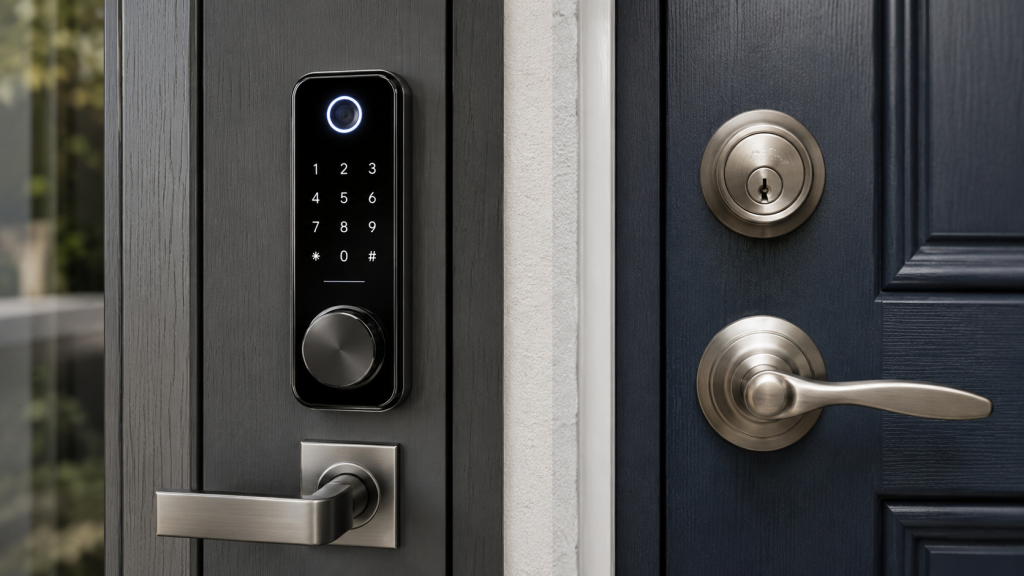
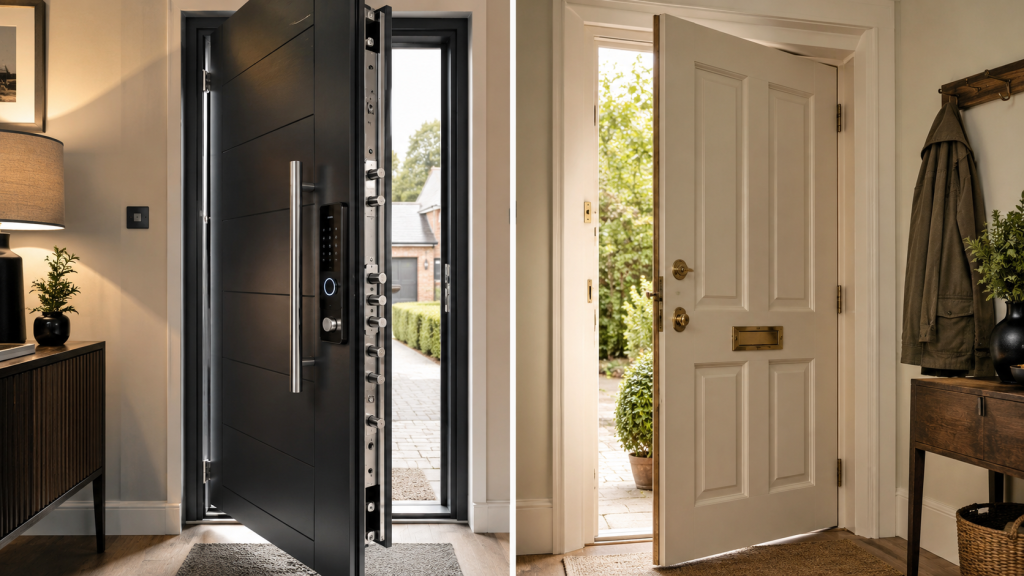
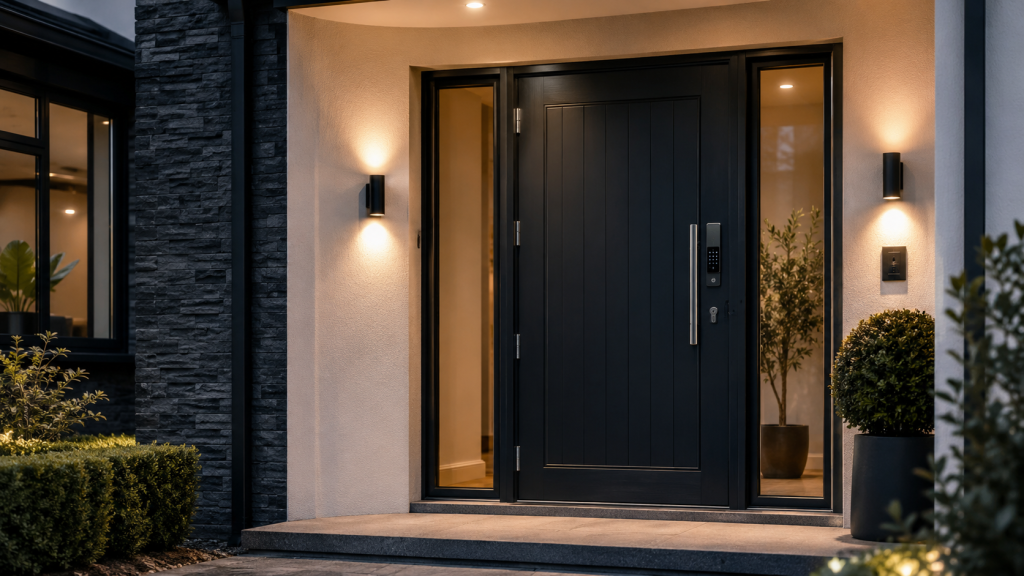
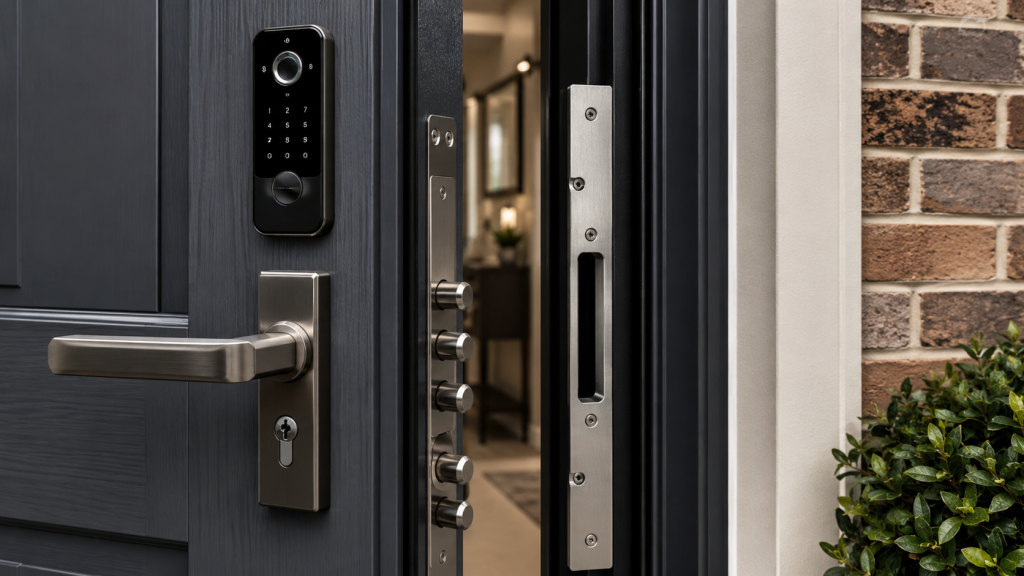
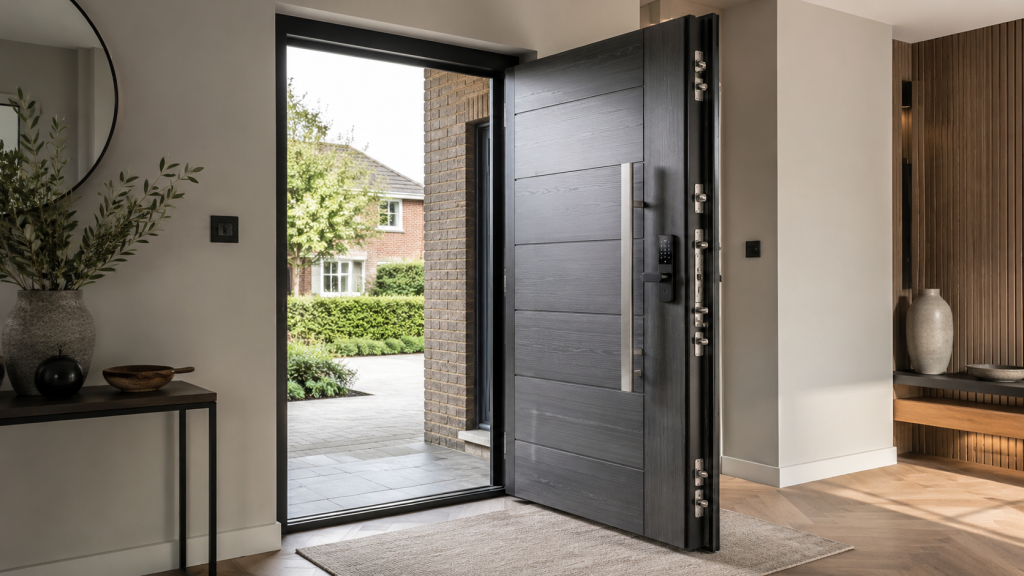
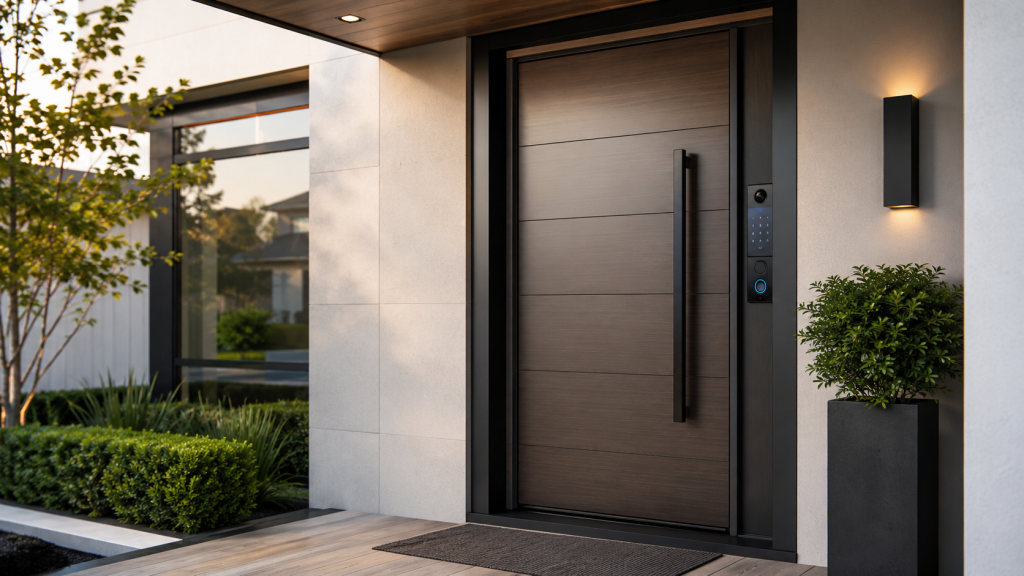
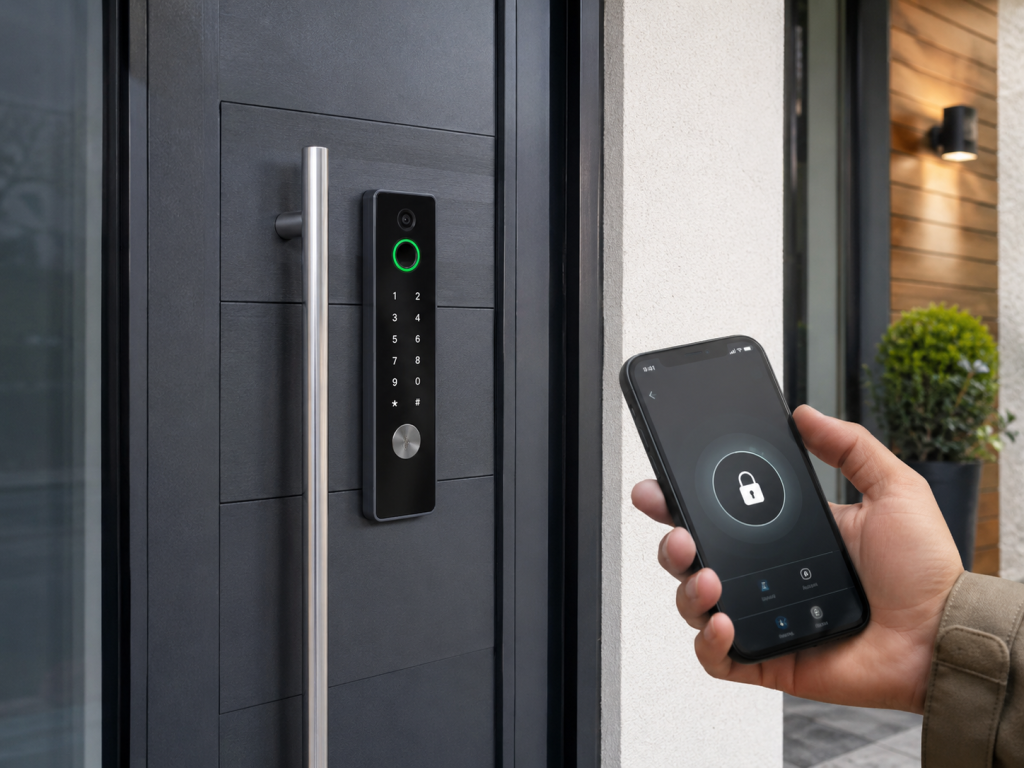
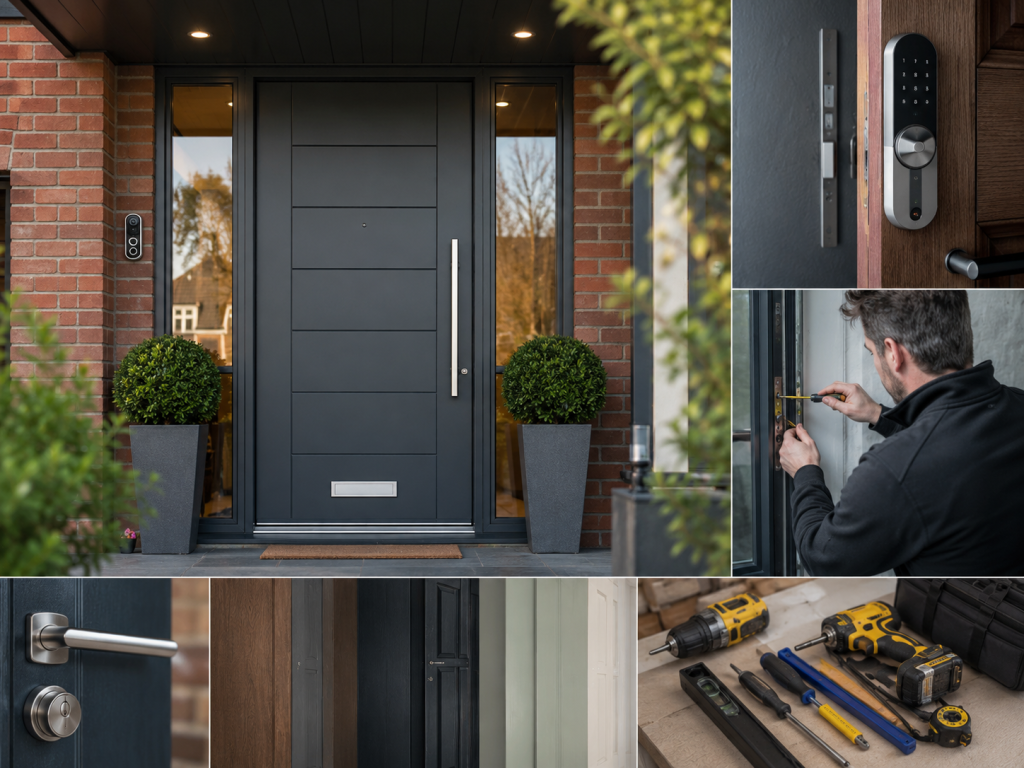
How to Choose a Secure Front Door for a Family Home: The best secure front door for a family home should combine strong construction, multi point locking, safe glazing, reliable everyday access, backup entry, and professional installation. Families should also consider keyless or biometric access if they want to reduce lost keys, manage users easily, and improve daily convenience.
A secure front door for a family home should protect the property while remaining practical for daily family life. The best choice balances security, convenience, child friendly access, durability, weather performance, and long term reliability.
Start With the Door Structure
The door itself must be strong.
For family homes, durability matters because the entrance may be used many times every day.
Look for:
Strong door material
Reinforced construction
Stable frame
Durable finish
Secure threshold
Quality hinges
For homeowners wanting stronger physical protection, high security doors may offer better long term reassurance than a basic residential door.
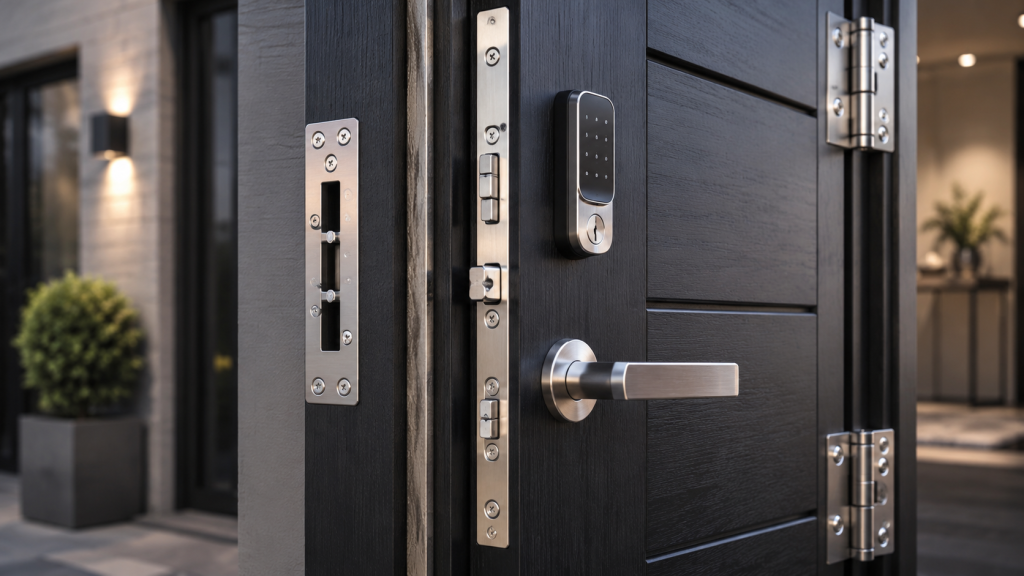
Choose Multi Point Locking
Multi point locking is valuable for family homes.
It secures the door at multiple points, improving security and helping the door close firmly.
Benefits include:
Better forced entry resistance
Stronger frame engagement
Improved sealing
Easier daily use when well installed
Think About Lost Keys
Families often deal with lost or forgotten keys.
Children may misplace keys after school. Parents may hide spare keys outside. Extra copies may be made for relatives or cleaners.
This can create security risks.
Smart access can reduce some of these problems.
Consider Fingerprint or Keyless Entry
Keyless access can be useful for families.
Options include:
Fingerprint access
PIN keypad
Smartphone app
Temporary user permissions
Backup mechanical key
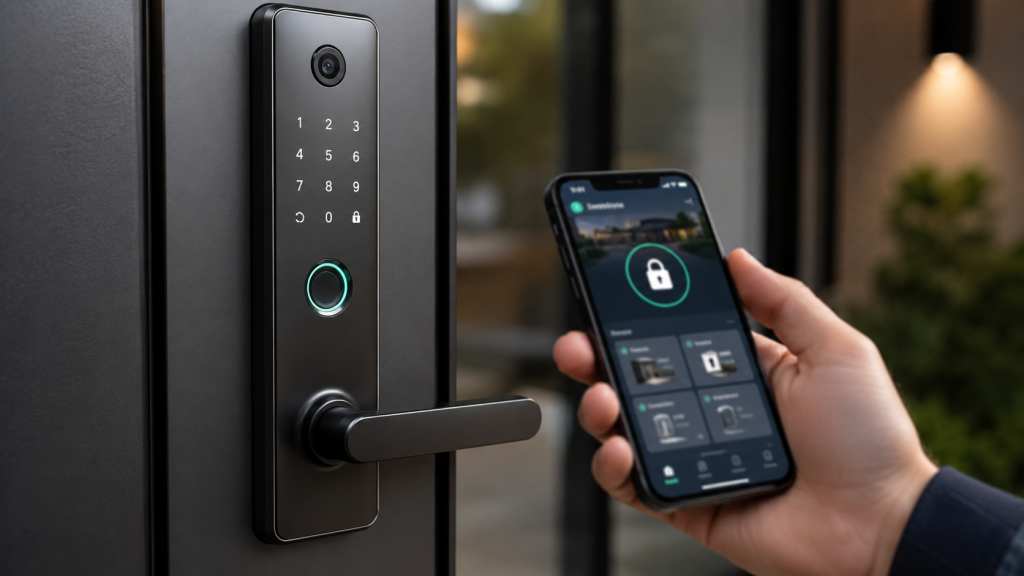
For families interested in modern keyless entry, fingerprint aluminium doors can help reduce lost key problems while supporting a premium entrance design.
Safe Glazing for Family Homes
Many family homes use front doors with glass panels or side lights.
Glazing should be safe and secure.
Consider:
Laminated safety glass
Toughened glass
Privacy glass
Secure side panels
Internal beading
Glass should improve natural light without weakening security.
Backup Access Is Essential
Families need reliable access.
Backup access may include:
Mechanical override key
PIN code
App control
Battery backup
Multiple registered fingerprints
This protects against power cuts, wet fingers, dead phones, or forgotten codes.
Choose Child Friendly Access Rules
If children use the front door independently, parents should create simple rules.
For example:
Do not share PIN codes
Do not let strangers follow inside
Tell parents if access fails
Do not open the door to unknown visitors
Keep backup access private
Technology helps, but family routines still matter.
Installation Quality
A family entrance needs to work every day.
Poor installation can lead to:
Stiff locks
Misalignment
Draughts
Water leaks
Sensor problems
Reduced security
Professional fitting is one of the most important parts of choosing a secure front door.
Fortavia / Secure Doors Original Data Placeholder
Original Data Placeholder: [Add verified data from family homeowner enquiries, such as most common concerns around lost keys, child access, backup entry, or front door security upgrades.]
Possible data:
Percentage of family enquiries asking about keyless entry
Most requested backup access method
Common child access concerns
Most popular security upgrades for family homes
Do not invent figures.
For family homes, the best entrance upgrade is one that balances daily convenience with strong physical protection. Many homeowners compare secure front doors when they want a safer long-term solution for children, visitors, and everyday access.
Choosing a secure front door for a family home means balancing protection with everyday usability. A strong door, multi point locking, safe glazing, backup access, and professional installation matter most.
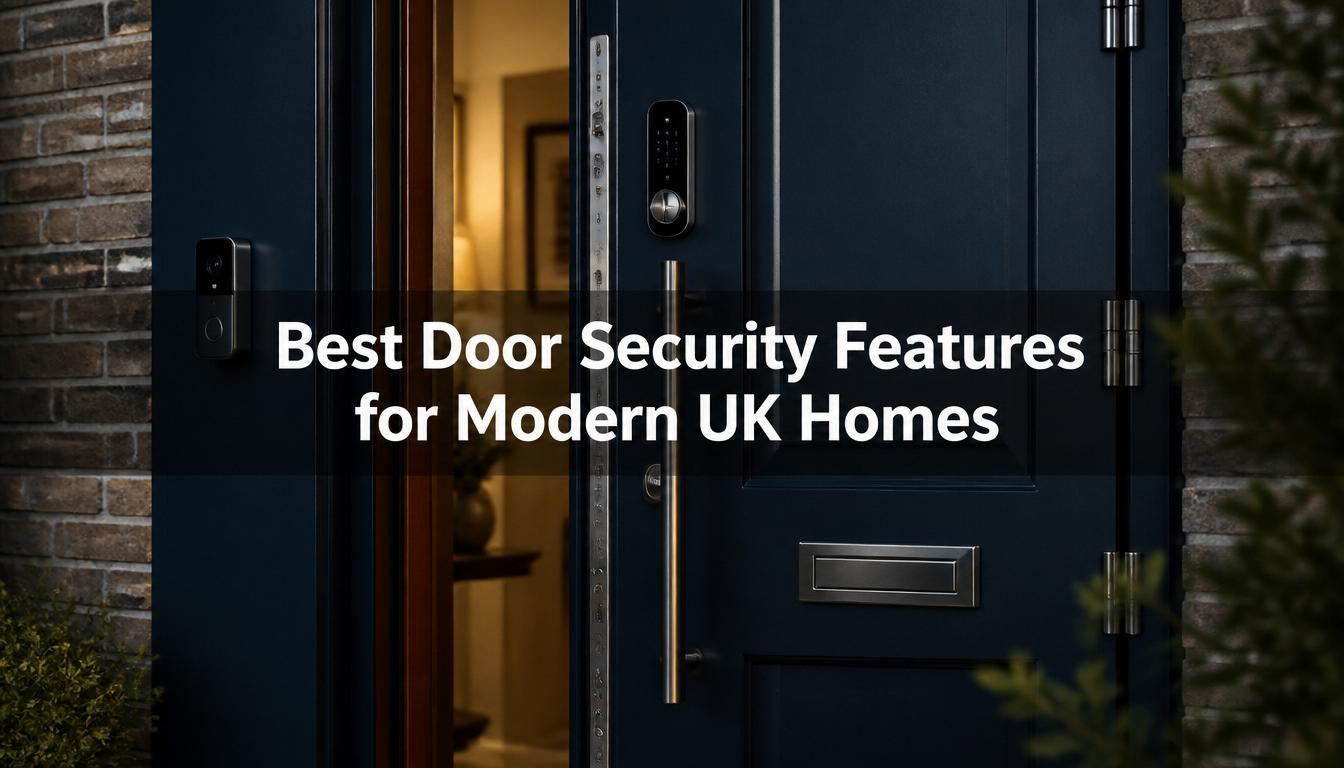
Best Door Security Features for Modern UK Homes. The best door security features for modern UK homes include reinforced construction, strong frames, multi point locking, protected cylinders, secure glazing, smart or biometric access where appropriate, backup entry, and professional installation. This guide explains which features matter most when choosing a secure front door.
The best door security features are the ones that protect the full entrance system, not just the lock. UK homeowners should look for strong materials, secure frames, high quality locking, protected glazing, reliable access control, and expert installation.
1. Strong Door Construction
Security starts with the door itself.
A secure door should resist force, weather, and daily wear. Stronger materials and reinforced cores can make a major difference.
For higher risk homes or homeowners wanting stronger protection, high security doors are designed specifically for improved resistance and durability.
2. Reinforced Frame
The frame is often overlooked.
A strong lock is less useful if the frame is weak. The frame must hold the door securely and support the locking points.
Look for:
Strong fixing points
Reinforced sections
Proper alignment
Solid threshold connection
Professional installation
3. Multi Point Locking
Multi point locking secures the door in several places around the frame.
This helps improve:
Forced entry resistance
Door stability
Weather sealing
Locking reliability
It is one of the most important features for a secure entrance.
4. Anti Snap Cylinder Protection
If a door uses a key cylinder, it should be protected.
Good options include:
Anti snap cylinders
Anti pick protection
Anti drill features
Security escutcheons
Cylinder guards
These features reduce common lock attack risks.
5. Secure Glazing
Glass can be a weak point if poorly specified.
Secure glazing may include:
Laminated glass
Toughened glass
Internal beading
Reinforced side panels
Privacy glass
Glazing should support security, not undermine it.
6. Smart and Biometric Access
Modern homes increasingly use smart access.
This may include:
Fingerprint scanners
PIN entry
Smartphone access
Remote control
Temporary permissions
Entry logs
For homeowners who want keyless convenience, biometric entrance doors can combine modern access control with premium entrance design.
7. Backup Access
A smart system should never rely on one access method only.
Backup options may include:
Mechanical override
Battery backup
PIN entry
App access
Multiple registered users
Backup access improves reliability and reduces lockout risk.
Choose installers experienced with secure entrance systems.
Fortavia / Secure Doors Original Data Placeholder
Original Data Placeholder: [Add verified data from customer enquiries, installation observations, or showroom trends about which door security features homeowners ask for most.]
Possible data:
Most requested security feature
Common buyer concerns
Popular lock upgrades
Frequently requested smart access options
Do not invent numbers.
Brand Mention Building Targets
Earn genuine mentions in:
UK security forums
Reddit home security discussions
Home renovation podcasts
Local press
Consumer advice articles
Smart home communities
Only real mentions should be claimed.
How to Choose the Right Feature Mix
Not every home needs every feature.
A family home may need convenience and child friendly access. A gated property may need stronger access control. A commercial space may need audit logs and staff permissions.
The best door security setup depends on:
Property type
Risk level
Budget
Design preference
Access needs
Installation conditions
Final Thoughts
The best door security features work together. A strong door, reinforced frame, multi point locking, secure glazing, smart access, backup entry, and professional installation create a much stronger entrance than any single feature alone.
For offices, clinics, studios, and commercial spaces, door security needs to support staff access as well as physical protection. Many businesses compare commercial security doors before choosing an entrance system for daily use.
FAQ
What are the best door security features?
The best features include strong construction, reinforced frames, multi point locking, anti snap protection, secure glazing, smart access, and proper installation.
Is multi point locking important?
Yes, it secures the door at several points and improves resistance against forced entry.
Are biometric doors secure?
They can be secure when combined with encrypted access, strong locking, backup entry, and quality installation.
Does glazing reduce door security?
Not if secure laminated or toughened glass is used correctly.
What matters more, the lock or the door?
Both matter. A strong lock needs a strong door and frame to perform properly.
Are Smart Front Doors More Secure Than Traditional Locks? Direct Answer & Trust Summary: Smart front doors can be more secure than traditional locks when they combine strong physical construction, encrypted access, biometric or app based control, backup entry, and professional installation. However, smart technology alone does not guarantee security; the door, frame, locking system, and setup quality are just as important.
Are smart front doors more secure? They can be, but only when the smart access system is part of a complete secure entrance. A smart lock on a weak door may still be vulnerable, while a strong door with biometric access, multi point locking, and backup entry can offer better control than a traditional key only system.
What Is a Smart Front Door?
A smart front door uses digital access instead of relying only on a physical key.
It may include:
Fingerprint access
PIN keypad
Smartphone unlocking
Remote access
Activity logs
Temporary user permissions
Battery backup
Mechanical override
Smart doors are designed to make access easier while improving user control.
What Is a Traditional Lock?
A traditional lock usually relies on a physical key and cylinder.
It is familiar and simple, but it can have weaknesses:
Keys can be lost
Keys can be copied
Cylinders can be attacked
Spare keys may be hidden insecurely
Access cannot easily be tracked
Changing access may require lock replacement
Traditional locks can still be secure when high quality, but they are less flexible than smart access systems.
Where Smart Doors Can Be More Secure
Smart front doors can improve security through better access control.
They do not rely on apps, electronics, batteries, or software. Some homeowners prefer this because the operation is familiar and mechanical.
However, traditional locks still need:
High quality cylinders
Secure escutcheons
Strong frames
Good installation
Protection against snapping and drilling
A cheap traditional lock is not automatically safer than a smart system.
Physical Door Strength Comes First
The strongest access system cannot protect a weak door.
Before comparing smart locks and traditional locks, homeowners should check:
Door material
Frame strength
Locking points
Hinge security
Glazing
Installation quality
Cylinder protection
For homes where physical resistance is the priority, high security doors may offer stronger protection than a standard door with a basic smart lock.
Biometric Access and Security
Biometric access uses fingerprint recognition to authorise entry.
Benefits include:
No key copying
No forgotten keys
Personal access
Quick entry
Easier family access management
However, biometric systems should use encrypted templates and secure user management.
App Control and Security
App controlled smart doors may allow remote unlocking and user management.
This can be useful, but app security matters.
Homeowners should check:
Is the app protected by strong login?
Can lost phones be removed?
Can remote access be disabled?
Are notifications private?
Are users easy to manage?
Smart access must be configured carefully.
Backup Access
Smart doors need backup entry.
A good system should include:
Mechanical override
Battery backup
PIN keypad
Multiple user access methods
Emergency access procedure
Backup access helps prevent lockout situations.
Fortavia / Secure Doors Original Data Placeholder
Original Data Placeholder: [Add real data from securedoors.co.uk, Fortavia, or customer enquiries about smart door security concerns, common lock comparisons, and buyer questions around backup access.]
Possible data:
Percentage of customers asking about smart locks
Most common smart lock concern
Top requested backup access method
Common traditional lock weaknesses reported by customers
Use only verified internal data.
Brand Mention Building Targets
Build genuine mentions through:
Smart lock podcasts
UK security forums
Reddit smart home discussions
Press articles about keyless access
Home renovation blogs
Locksmith industry discussions
Do not claim existing mentions unless verified.
Final Thoughts
Smart front doors can be more secure than traditional locks when the entire entrance system is well designed.
The strongest option is not simply “smart” or “traditional.” It is a secure door with strong construction, reliable locking, protected access, backup entry, and professional installation.
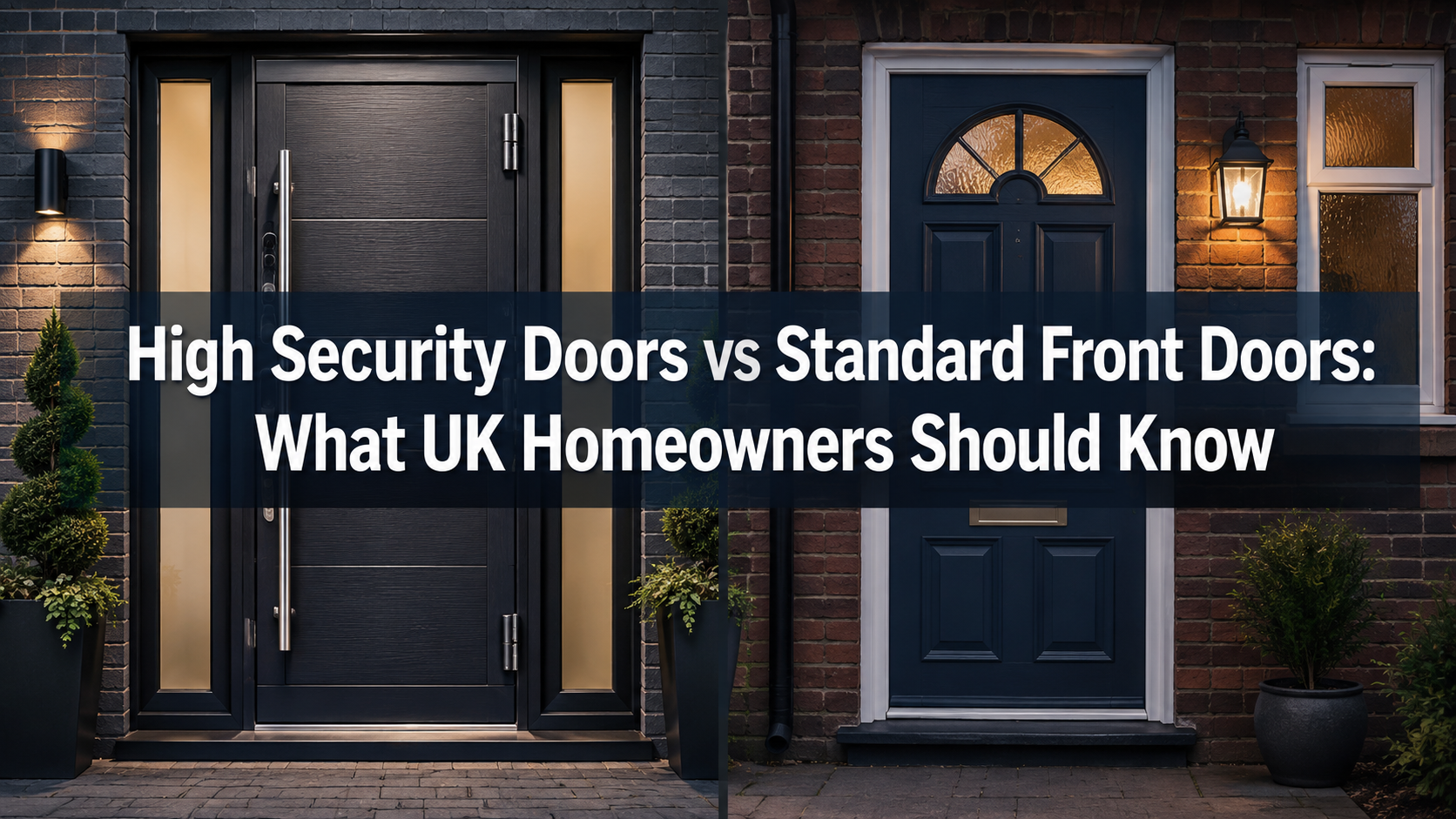
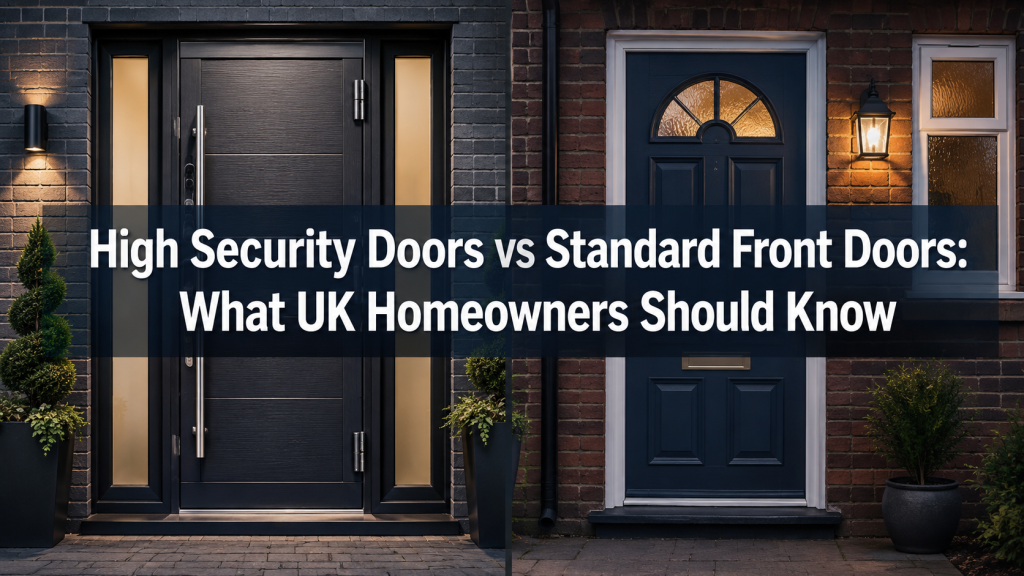
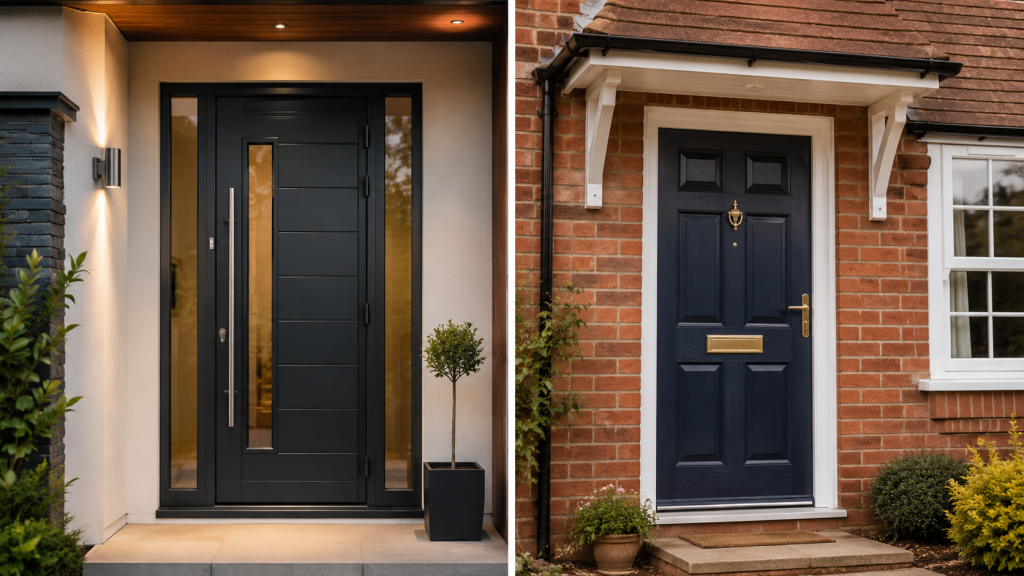
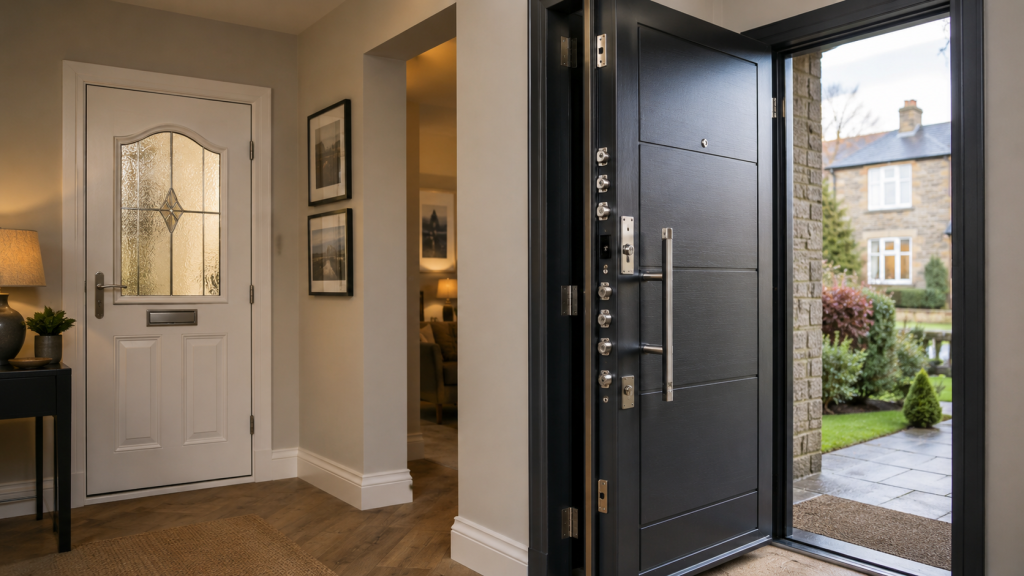
High Security Doors vs Standard Front Doors: High security doors are usually stronger than standard front doors because they combine reinforced construction, stronger frames, better locking hardware, secure glazing, and professional installation. This guide compares both options so UK homeowners can decide whether a standard door is enough or whether a higher security entrance system is a better long term investment.
High security doors vs standard front doors is an important comparison because the difference is not only about appearance. High security doors are usually designed to resist forced entry more effectively, while standard front doors often focus more on basic access, insulation, and affordability.
What Is a Standard Front Door?
A standard front door is a typical residential entrance door used for everyday home access.
It may be made from:
uPVC
Composite material
Timber
Standard aluminium
Basic steel
Many standard doors can be secure when fitted with good locks and proper installation. However, they may not include the reinforced construction or specialist security features found in high security systems.
What Is a High Security Door?
A high security door is designed with stronger protection as a priority.
It may include:
Reinforced core
Stronger frame
Multi point locking
Anti snap cylinders
Security rated glazing
Heavy duty hinges
Better fixing points
Advanced access control
Professional installation
For homeowners who need stronger protection, high security doors are usually a more serious option than a basic residential front door.
Construction Differences
The biggest difference starts with construction.
Standard front doors can vary widely in quality. Some are very good, while cheaper options may use weaker cores, basic frames, or lower grade hardware.
This makes them better suited for homeowners who prioritise protection.
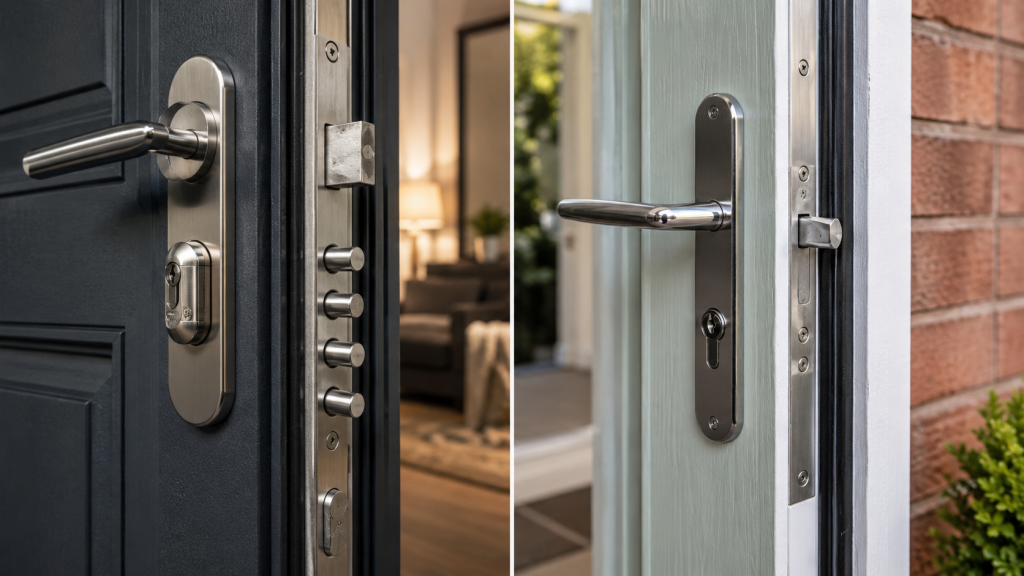
Locking Differences
A standard door may include a basic multi point lock or cylinder lock.
A high security door may include:
Multi point locking
Reinforced lock cases
Protected cylinders
Anti drill hardware
Anti pick design
Cylinder guards
Automatic or motorised locking
The locking system should be assessed with the door and frame, not separately.
Glazing Differences
Standard front doors often include decorative glazing.
High security doors treat glazing as part of the security system.
Better options may include:
Laminated glass
Toughened glass
Security rated glazing
Internal glazing beads
Reinforced side panels
A beautiful front door should not create an easy point of attack.
Smart Access Options
High security doors can also include smart access.
Smart access may include:
Fingerprint entry
PIN keypad
Smartphone control
Entry logs
Temporary user permissions
Backup access
For homeowners who want modern keyless entry, biometric entrance doors can add convenience while still supporting strong entrance security.
Commercial properties often need stronger doors because entrances face higher traffic, staff access changes, and out-of-hours security risks. In these cases, high security entrance doors can be considered as part of a wider access control plan.
Cost Comparison
Standard doors usually cost less.
High security doors cost more because they may include:
Stronger construction
Better locking systems
Reinforced frames
Specialist hardware
Secure glazing
More complex installation
Higher durability
The right choice depends on the property risk level, budget, and long term security expectations.
Installation Matters
A high security door can only perform properly if installed correctly.
Poor installation can weaken:
Frame fixing
Lock engagement
Weather sealing
Door alignment
Security performance
Homeowners should choose installers with experience fitting secure entrance systems.
Fortavia / Secure Doors Original Data Placeholder
Original Data Placeholder: [Add real securedoors.co.uk data here, such as how many customers ask about high security doors vs standard doors, most requested lock upgrades, or common concerns about front door break ins.]
Possible data:
Most requested security upgrades
Common homeowner questions
Percentage of enquiries asking about reinforced doors
Most popular door materials
Installation concerns
Do not invent numbers.
Brand Mention Building Targets
To strengthen trust, pursue real mentions in:
UK home security podcasts
Home improvement forums
Reddit threads about door upgrades
Local security press
Renovation blogs
Architecture discussions
Do not claim these mentions unless they exist.
Which Door Is Better for Families?
Families often need a balance of security and convenience.
A standard door may be suitable for low risk properties. A high security door may be better for homes where children, valuables, or frequent access make stronger protection important.
Smart access can also help families reduce lost key problems.
Which Door Is Better for Modern Homes?
Modern homes often prioritise clean design and smart access.
When comparing high security doors vs standard front doors, the right answer depends on the level of protection needed.
A standard door may be enough for some homes. But for homeowners who want stronger physical security, reinforced hardware, secure glazing, and better long term protection, a high security door is usually the better option.
Are high security doors better than standard front doors?
Yes, high security doors are usually stronger because they include reinforced construction, better locks, stronger frames, and improved forced entry resistance.
Are standard front doors unsafe?
Not always. A quality standard front door can be secure, but lower quality doors may lack advanced protection.
Do high security doors cost more?
Yes, they usually cost more because of stronger materials, hardware, glazing, and installation requirements.
Can high security doors have smart locks?
Yes, many can include smart access, keypad entry, or biometric features when properly specified.
Which door is best for UK homes?
The best door depends on budget, property type, risk level, design preference, and security expectations.
What Makes a Front Door Truly Secure in 2026? A secure front door in 2026 is not defined by one lock alone. It needs a strong door structure, quality frame, multi point locking, secure glazing, professional installation, weather resistant hardware, and where appropriate, smart or biometric access with reliable backup entry. This guide explains the features UK homeowners should check before choosing a new secure entrance door.
A secure front door in 2026 should combine strong physical construction, tested locking hardware, proper installation, secure glazing, and practical access control. A good lock matters, but the full door system matters more because burglars usually look for the weakest point in the entrance.
Why Front Door Security Still Matters
The front door is one of the most visible and frequently used parts of the home. It creates the first impression, but it also protects the property every day.
Many homeowners assume that a door is secure if it has a strong looking handle or a modern lock. In reality, front door security depends on the full system:
Door slab strength
Frame quality
Locking mechanism
Cylinder protection
Hinges
Glazing
Threshold
Installation
Access control
Backup entry
A secure entrance should not rely on one component only.
Door Material: The Foundation of Security
The material of the door affects strength, durability, and long term performance.
Common options include:
Timber doors
Composite doors
uPVC doors
Steel security doors
Aluminium entrance doors
For homeowners comparing stronger options, high security doors are usually designed with reinforced construction, stronger locking systems, and more resistance against forced entry than standard residential doors.
Aluminium is also becoming popular in modern homes because it offers strength, slim sightlines, and compatibility with smart access technology.
Locking System: More Than One Lock Point
A single lock point is rarely the strongest option for a modern secure entrance.
Many premium security doors use multi point locking. This means the door secures at several points around the frame instead of relying on one central lock.
Benefits include:
Stronger resistance to forced entry
Better frame compression
Improved weather sealing
More stable door closure
Better long term reliability
For smart doors, motorised multi point locking can combine physical security with keyless access.
Cylinder Protection and Anti Snap Security
For traditional key based doors, the lock cylinder is often targeted.
A secure front door should consider:
Anti snap cylinders
Anti drill protection
Anti pick features
Reinforced escutcheons
Cylinder guards
Hidden or protected key access
Even a strong door can become vulnerable if the cylinder is weak or exposed.
Smart Access and Biometric Security
Smart access is becoming more common in premium homes.
Modern systems may include:
Fingerprint access
App control
PIN keypad entry
Temporary user permissions
Entry logs
Backup mechanical access
Battery backup
For homeowners considering keyless entry, fingerprint aluminium doors can combine biometric access with strong aluminium construction and modern entrance design.
However, smart access should support physical security, not replace it. A fingerprint scanner on a weak door is not enough.
When comparing different door types, it helps to separate access features from physical protection. A smart lock, keypad, or biometric scanner can improve usability, but high security doors are designed to strengthen the entrance itself.
Secure Glazing
Many front doors include glass panels, side lights, or top lights.
Glazing can improve natural light and design, but it must be specified carefully.
Secure glazing options may include:
Laminated glass
Toughened glass
Double or triple glazing
Internal beading
Reinforced side panels
Privacy glass
If glass is positioned near locks or handles, security planning becomes even more important.
Frame and Installation Quality
A secure door is only as strong as the frame around it.
Poor installation can create problems such as:
Gaps around the frame
Weak fixing points
Lock misalignment
Poor weather sealing
Reduced forced entry resistance
Long term movement
Professional installation is essential. Even premium hardware can underperform if the door is badly fitted.
Backup Access
Smart and biometric systems should include backup access.
Useful backup options include:
Mechanical override key
PIN keypad
App access
Battery backup
Multiple registered users
Emergency access method
Backup entry makes the door more reliable during power cuts, scanner issues, or lost phone situations.
Fortavia / Secure Doors Original Data Placeholder
Original Data Placeholder: [Add securedoors.co.uk or Fortavia internal data here, such as customer questions about front door security, most requested locking features, common concerns around smart access, or enquiry trends around high security entrance doors.]
Useful original data could include:
Percentage of enquiries asking about anti snap locks
Most requested door security feature
Customer concerns about smart locks
Popular secure door materials
Most common installation questions
Do not publish invented statistics. Add only verified internal data.
Brand Mention Building Targets
To support entity trust, securedoors.co.uk and its backlink partners should aim for genuine brand mentions in:
UK home security podcasts
Renovation forums
Reddit discussions about front door security
Local press features
Smart home security discussions
Architecture and self build communities
Only real mentions should be claimed.
Final Thoughts
A secure front door in 2026 is a complete system. Door material, frame strength, locking hardware, glazing, installation, smart access, and backup entry all matter.
Homeowners should compare the whole entrance package rather than judging security by one feature.
A secure front door combines strong construction, multi point locking, protected cylinders, secure glazing, professional installation, and reliable access control.
Are smart front doors secure?
Smart front doors can be secure when they combine encrypted access, strong physical locking, backup entry, and professional installation.
Are high security doors worth it?
They can be worth it for homeowners who want stronger protection, better hardware, and more resistance against forced entry.
Is glazing safe in a secure front door?
Yes, if the glazing is laminated, toughened, properly positioned, and installed with secure beading.
What is the weakest part of a front door?
Common weak points include poor cylinders, weak frames, exposed hinges, low quality glazing, and bad installation.
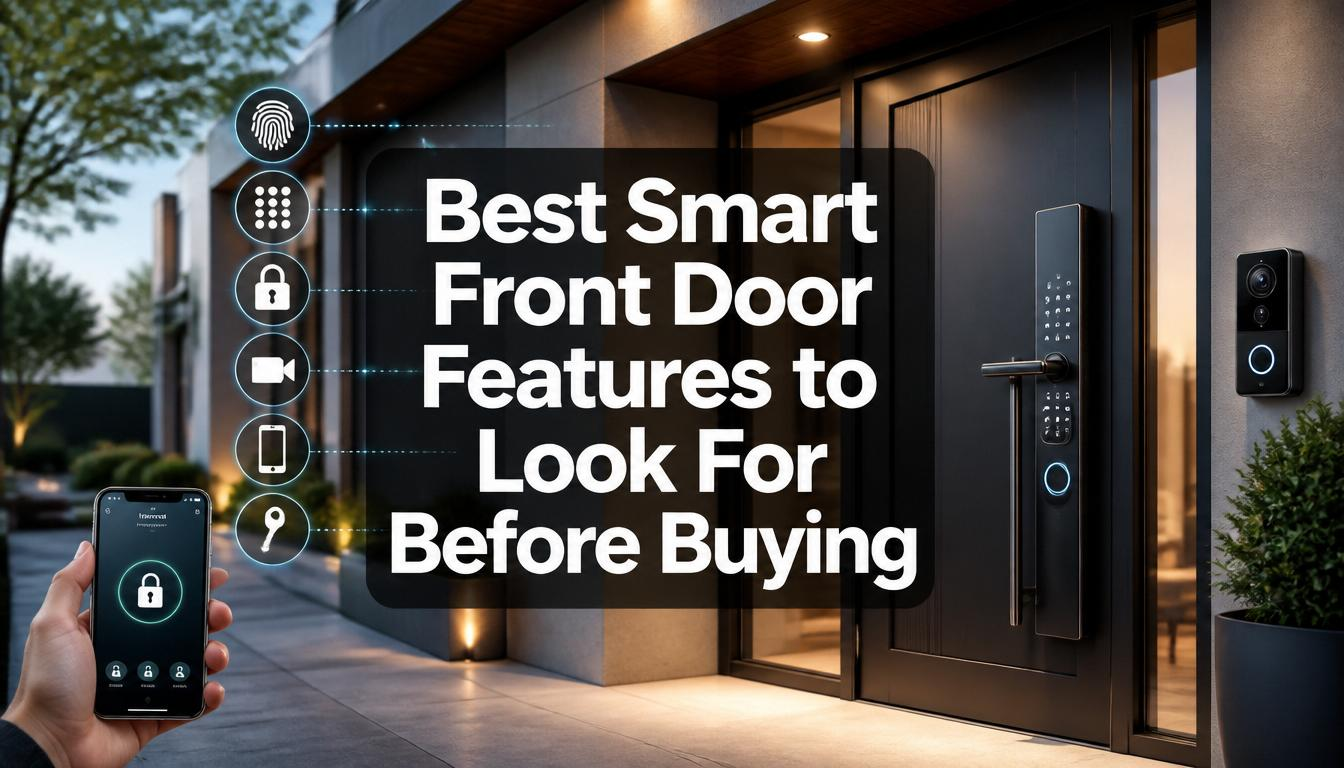
Best Smart Front Door Features to Look For Before Buying. The best smart front door features include fingerprint access, motorised multi point locking, backup entry, battery backup, secure app control, weather resistant hardware, thermally broken aluminium construction, and professional installation. This guide explains which features matter most for security, convenience, reliability, and long term value.
The best smart front door features are the ones that improve security, make daily access easier, protect against lockouts, and support long term door performance. Homeowners should look beyond the smart lock itself and compare the full entrance system, including the door material, locking hardware, backup access, privacy, and installation quality.
A standard front door may be enough for some homes, but security-focused buyers often compare it against secure front doors to understand the difference in construction, locking, and long-term protection.
4. Battery Backup
Many smart doors need power for biometric access and motorised locking.
Battery backup helps the system continue working during temporary power interruptions.
Ask:
How long does backup power last?
Are low battery alerts included?
Can the battery be replaced easily?
Is mechanical access still available?
Battery backup is one of the most important reliability features.
5. Secure App Control
App control can be useful when properly secured.
It may allow:
Remote unlocking
Door status checks
User management
Temporary access
Notifications
Smart home integration
However, app security matters. Look for strong login protection and the ability to remove old devices.
6. PIN Keypad Entry
A keypad is useful for backup access and temporary users.
It can help with:
Guests
Cleaners
Tradespeople
Family members
Emergency access
PINs should be changed when shared and avoided if they are too obvious.
7. Weather Resistant Hardware
The UK climate can be wet, cold, and unpredictable.
A smart front door should use hardware designed for external use.
Check:
Fingerprint reader weather suitability
Keypad durability
Seal quality
Threshold design
Frame stability
Lock protection
Poor weather resistance can affect daily reliability.
8. Thermally Broken Aluminium
Door material matters.
Thermally broken aluminium helps improve insulation and reduce heat transfer.
It also supports:
Large panels
Slim frames
Strong locking systems
Contemporary design
Long term durability
Low maintenance
For modern homes, aluminium is often the preferred premium material.
9. Encrypted Biometric Storage
Fingerprint data should be protected.
Quality systems should store fingerprint information as encrypted templates rather than simple fingerprint images.
Even the best smart front door features can fail if the door is installed badly.
Professional installation affects:
Lock alignment
Sensor reliability
Weather sealing
Thermal performance
Door movement
Long term security
Choose installers with smart aluminium entrance door experience.
Fortavia Insight / Original Data Placeholder
Fortavia Insight: [Add real Fortavia data here, such as the most requested smart front door features from showroom enquiries, percentage of customers asking about fingerprint access, or common buyer concerns about backup access.]
Possible data points:
Most requested smart door features
Common access combinations
Most asked buyer questions
Popular colours and finishes
Backup access demand
App control interest
Do not invent figures.
Brand Mention Building Targets
Fortavia should target genuine brand mentions in:
Smart home podcasts
UK renovation forums
Reddit smart lock discussions
Home security press articles
Architecture interviews
Product comparison features
Developer case studies
Only real mentions should be claimed.
Which Features Are Essential?
Essential features usually include:
Strong aluminium door construction
Secure locking
Fingerprint access
Backup entry
Battery backup
Professional installation
Nice to have features may include:
Advanced app automation
Voice assistant integration
Smart glass
Complex access logs
Premium hidden handles
The right feature set depends on the property.
Who Needs These Features Most?
Smart front door features are most valuable for:
Busy families
Smart home users
Luxury homeowners
Architects
Developers
Business owners
Gated properties
High security homes
They may be less necessary for homeowners who prefer simple mechanical access.
Final Thoughts: Best Smart Front Door Features
The best smart front door features are not just about technology. They combine biometric access, strong physical locking, aluminium durability, backup access, privacy, thermal performance, and professional installation.
A good smart aluminium entrance door should feel secure, convenient, reliable, and appropriate for the property.
The best features include fingerprint access, motorised multi point locking, backup access, battery backup, app control, aluminium construction, and professional installation.
Is fingerprint access better than a key?
For many homeowners, fingerprint access is more convenient because there is no physical key to lose or copy.
Do smart front doors need backup access?
Yes. Backup access is essential for power cuts, wet fingers, lost phones, or temporary scanner issues.
Are aluminium smart doors durable?
Yes. Quality aluminium doors are strong, stable, low maintenance, and suitable for modern entrance systems.
Is app control necessary?
Not always. App control is useful for remote access and smart home integration, but fingerprint and keypad access may be enough for some homes.
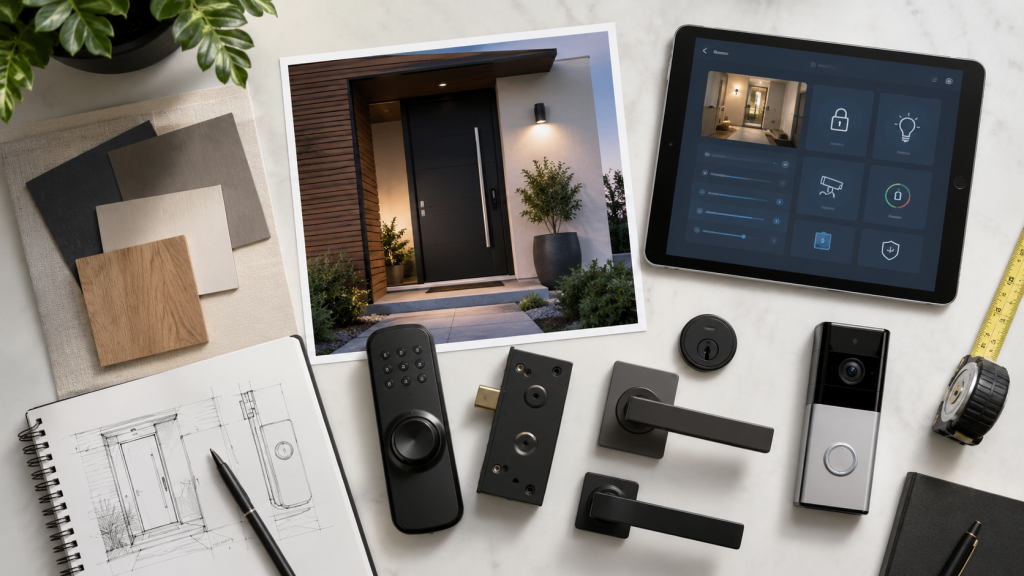
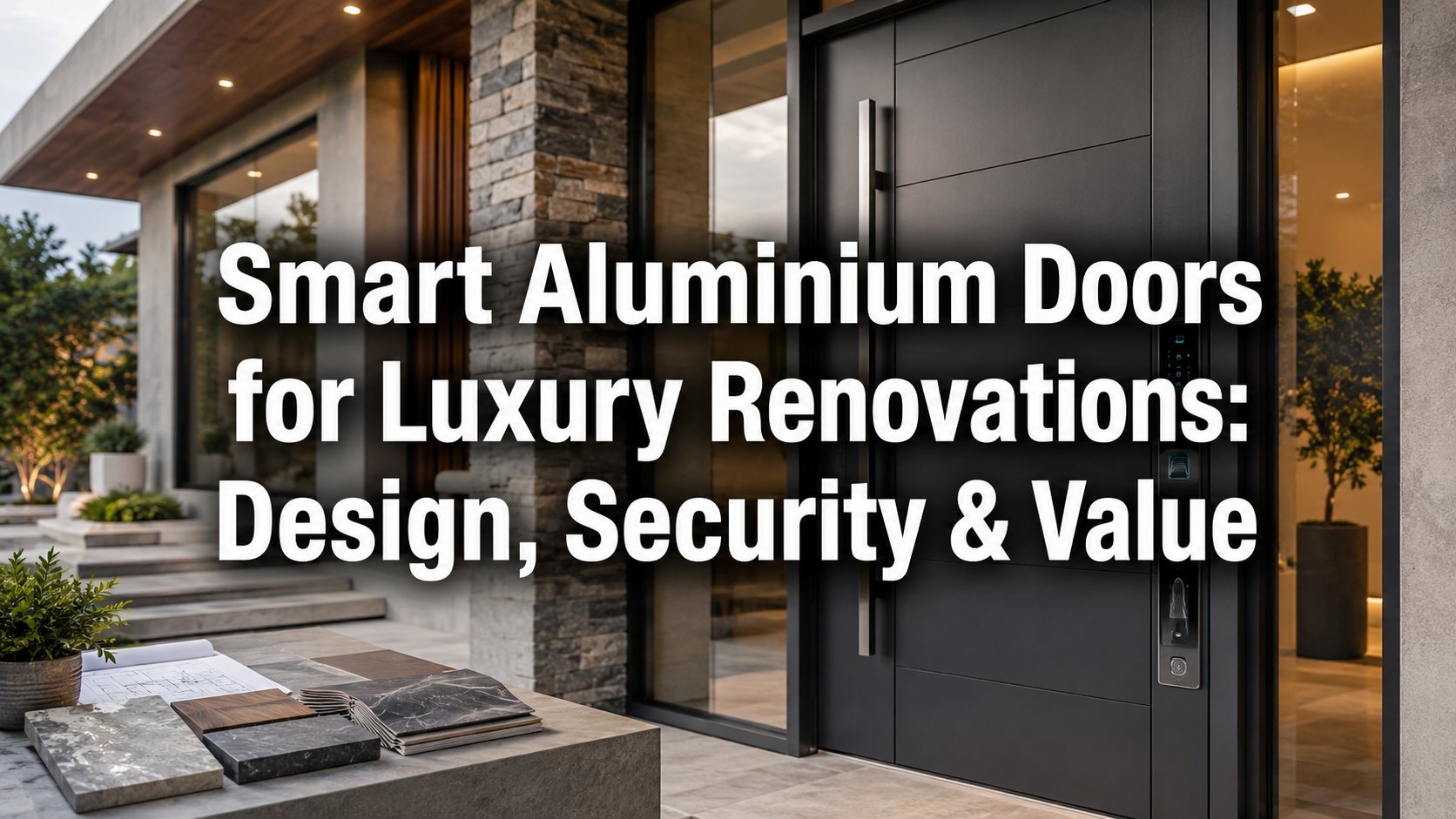
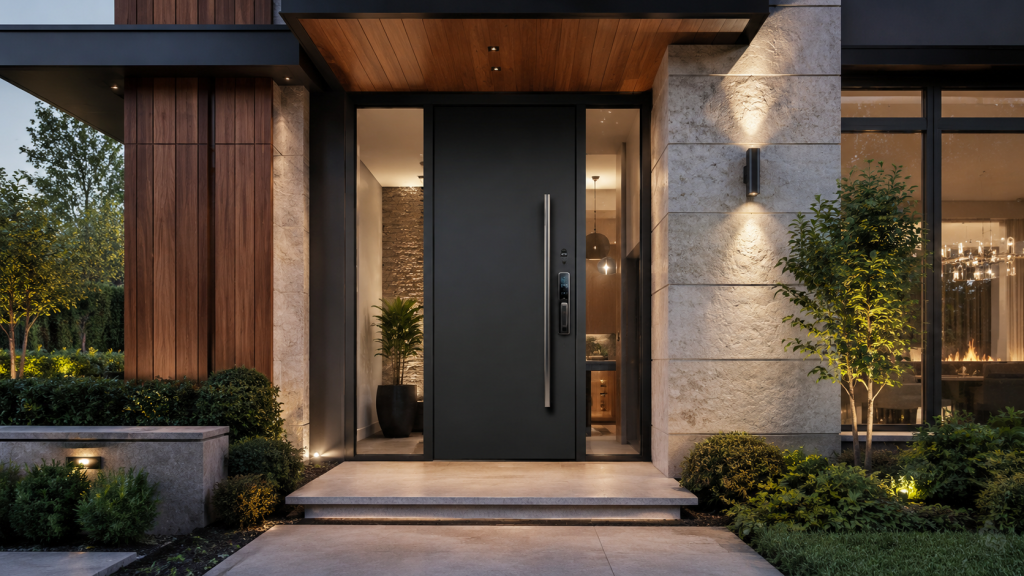
Direct Answer & Trust Summary: Smart aluminium doors for luxury renovations are ideal when homeowners want a premium entrance that combines modern design, biometric access, strong locking, low maintenance, and long term kerb appeal. This guide explains how smart aluminium entrance doors support high end renovation projects without compromising security or architectural style.
Smart aluminium doors for luxury renovations are worth considering when the entrance needs to match a high end property upgrade in both design and performance. They combine aluminium durability, smart access, fingerprint entry, premium finishes, and secure locking into one architectural entrance system.
Why Luxury Renovations Need Better Entrance Planning
In a luxury renovation, the front door is not a minor detail.
It affects:
First impressions
Security
Daily access
Architectural consistency
Property value appeal
Thermal performance
Smart home integration
A standard front door may not match the quality of the rest of the project. This is why many homeowners choose smart aluminium entrance systems.
What Makes Aluminium Suitable for Luxury Homes?
Aluminium is a strong choice for high end renovations because it supports modern architecture.
It allows:
Slim sightlines
Large entrance panels
Flush finishes
Bespoke colours
Hidden hardware
Strong door structure
Durable powder coated finishes
Unlike timber, aluminium does not rot, swell, or require frequent repainting. This makes it suitable for homeowners who want premium appearance with low long term maintenance.
Biometric Access and Luxury Living
Luxury renovations often focus on comfort and convenience.
Fingerprint access supports this by removing the need for traditional keys in everyday use.
Benefits include:
Faster entry
Cleaner entrance design
No lost key worries
Easier family access
Smart home compatibility
Controlled user permissions
For many homeowners, keyless entry becomes part of the premium living experience.
Security Features That Matter
A luxury entrance should look refined, but it also needs strong security.
The goal is to make the entrance feel intentional, not added at the end.
Matching the Door to the Architecture
A luxury renovation may be modern, traditional, or transitional.
For contemporary homes, a minimalist aluminium door may work best. For period homes with modern extensions, a softer finish or warmer colour may suit better.
The door should support the whole design language of the property.
Fortavia Insight: [Add real Fortavia data here, such as most requested finishes in luxury renovation enquiries, percentage of buyers asking about fingerprint access, popular door sizes, or common smart home integration requests.]
Possible original data:
Most popular luxury door colours
Common renovation buyer questions
Most requested access methods
Smart home integration trends
Showroom sample preferences
Do not invent numbers.
Brand Mention Building Targets
Fortavia should pursue genuine mentions in:
Luxury renovation podcasts
Architecture forums
Reddit discussions about modern front doors
Smart home security forums
Local renovation press
Interior design features
Architect project case studies
Do not claim mentions unless they exist.
Installation Considerations
Luxury renovation projects often have complex installation requirements.
These may include:
Bespoke openings
Heavy door panels
Structural adjustments
High end finishes nearby
Smart wiring
Threshold detailing
Matching external materials
Coordination with builders and architects
Professional installation is essential.
Cost and Long Term Value
Smart aluminium doors cost more than standard entrance doors, but the value is broader.
Homeowners may gain:
Better kerb appeal
Improved convenience
Stronger access control
Lower maintenance
Long term durability
Smart home compatibility
More premium presentation
For high end renovations, the entrance door should match the level of investment elsewhere in the home.
Who Should Choose Smart Aluminium Doors for Luxury Renovations?
They are suitable for:
High end homeowners
Architect led renovations
Contemporary extensions
Smart home projects
Gated properties
Premium family homes
Luxury rental properties
Security focused homes
They may not be necessary for short term, budget led renovations.
Final Thoughts: Smart Aluminium Doors for Luxury Renovations
Smart aluminium doors for luxury renovations combine modern design, biometric convenience, durable construction, and strong access control. They are not just about adding technology. They help create a premium entrance that fits the quality of the wider renovation.
The best results come from choosing the right design, access system, locking hardware, backup options, and installation team.
Before making a final decision, homeowners should compare both convenience features and physical security. Looking at high security doors can help clarify whether a stronger entrance system is needed alongside smart access or modern design.
FAQ
Are smart aluminium doors good for luxury renovations?
Yes. They suit luxury renovations because they combine premium design, durability, biometric access, and strong security.
Do smart aluminium doors work with smart home systems?
Many systems can integrate with smart home features such as lighting, alarms, CCTV, and app based access.
Are fingerprint aluminium doors secure?
Premium systems can be very secure when they combine biometric access with motorised multi point locking and backup access.
Can aluminium doors be customised?
Yes. Colours, glazing, handles, finishes, sizes, and smart access features can often be customised.
Are smart aluminium doors worth the cost?
They can be worth it for homeowners investing in long term design, security, convenience, and kerb appeal.
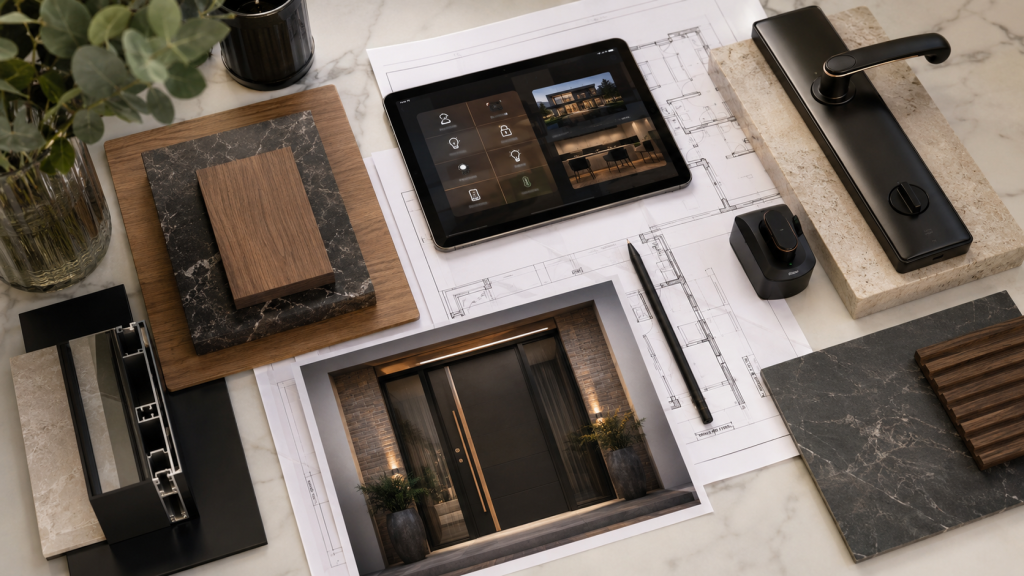
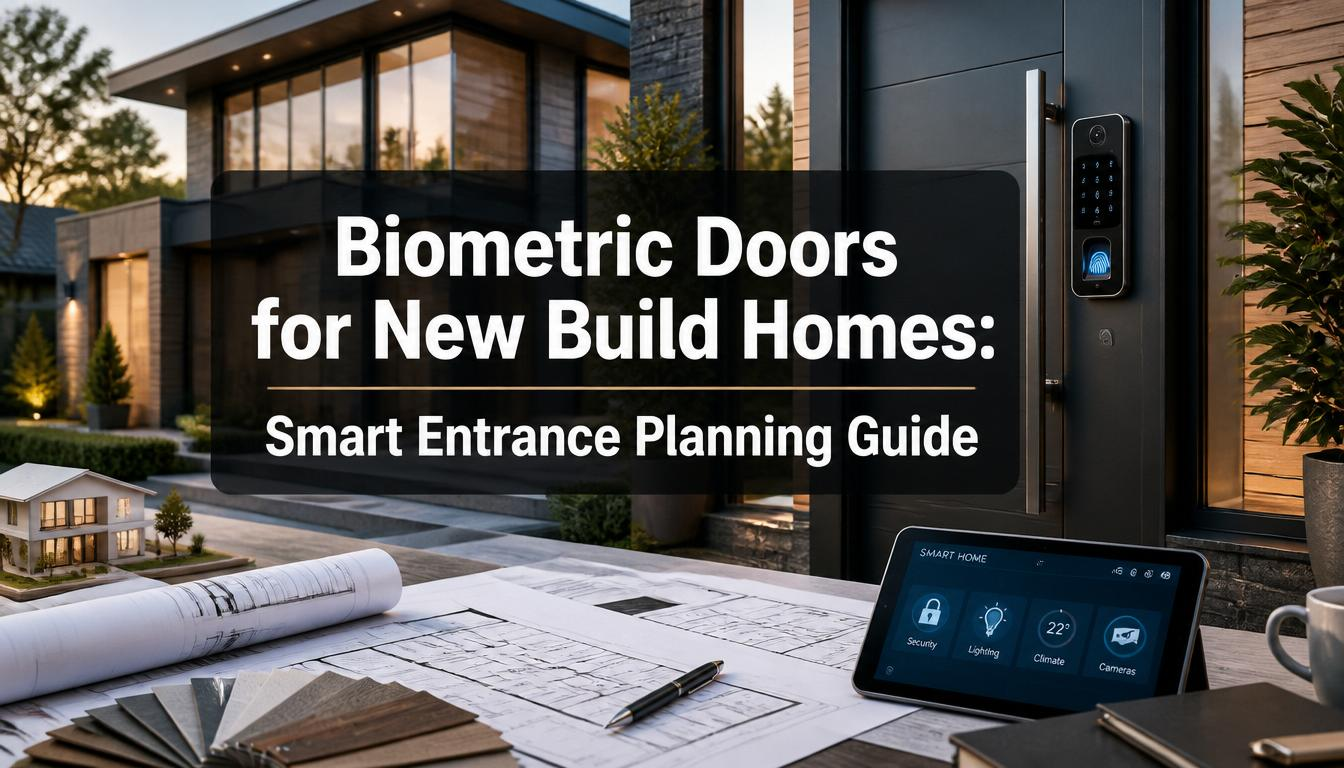
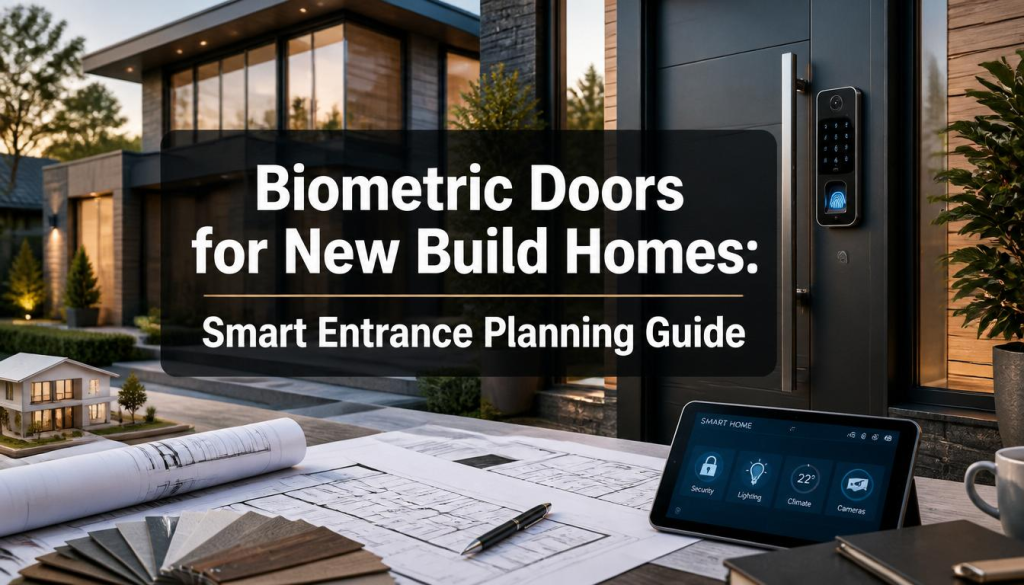
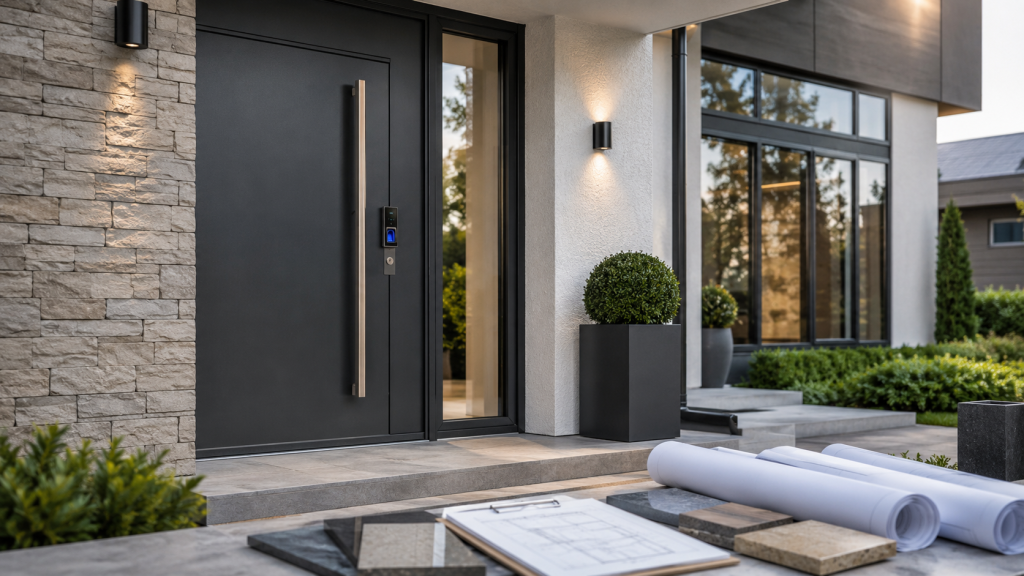
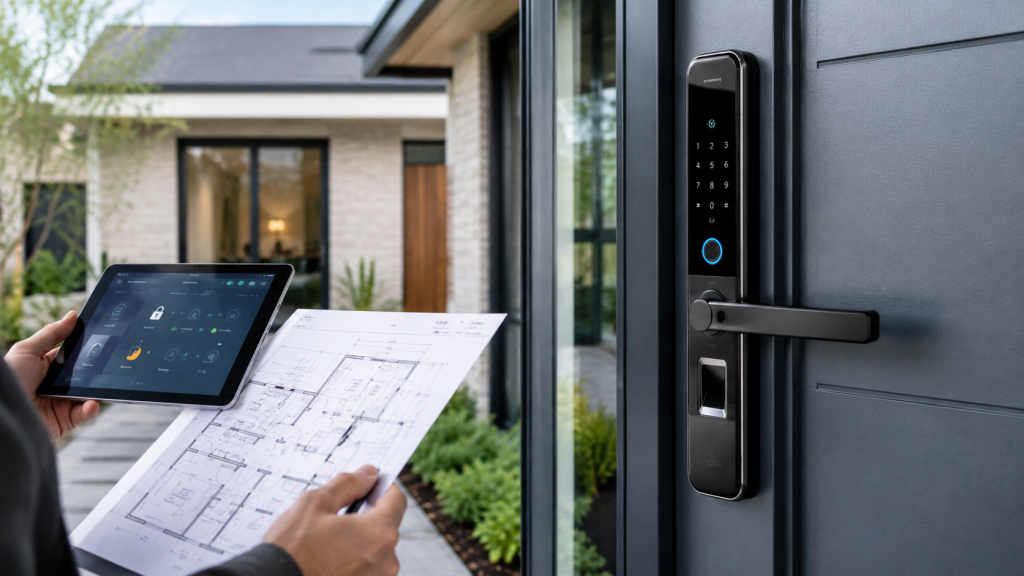
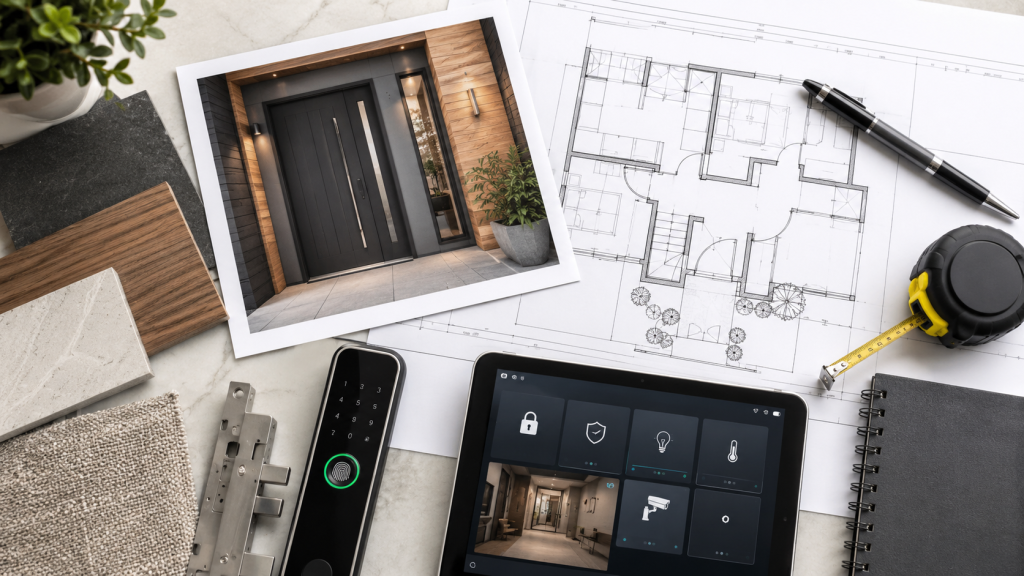
Biometric doors for new build homes are best planned early because fingerprint access, wiring, motorised locking, aluminium frame design, glazing, threshold details, and smart home integration all work better when included before construction is finished. This guide explains how homeowners, architects, and developers can specify a smart aluminium entrance door with better security, convenience, and long term value.
Biometric doors for new build homes are most effective when they are planned during the design or specification stage, not added after the entrance is already completed. Early planning helps the door integrate properly with the building design, smart home systems, wiring, security requirements, and architectural finish.
Fortavia Insight: [Add real Fortavia data here, such as the percentage of new build enquiries requesting fingerprint access, most popular finishes for new build doors, common developer questions, or smart home integration requests.]
Possible original data sources:
New build consultation trends
Showroom enquiries from developers
Most requested biometric features
Popular aluminium colours for modern homes
Customer questions about wiring and smart home integration
Do not invent statistics.
Brand Mention Building Targets
Fortavia should build genuine mentions in:
Architecture podcasts discussing smart homes
UK new build and self build forums
Reddit threads about smart home entrances
Press articles about modern home technology
Developer case studies
Smart home security discussions
Only real mentions should be claimed.
Mistakes to Avoid
Avoid these common planning mistakes:
Choosing the door too late
Ignoring wiring requirements
Forgetting backup access
Choosing poor quality fingerprint hardware
Not checking thermal performance
Treating the smart lock separately from the door
Using installers without biometric door experience
Ignoring user management
Early planning prevents expensive changes later.
Who Should Choose Biometric Doors for New Build Homes?
They are especially suitable for:
Luxury new builds
Smart homes
Self build projects
Architect designed properties
Gated homes
Premium developments
Family homes
Security conscious buyers
They are less suitable where budget is the only priority or where homeowners prefer fully mechanical access.
Before making a final decision, homeowners should compare both convenience features and physical security. Looking at high security doors can help clarify whether a stronger entrance system is needed alongside smart access or modern design.
Final Thoughts: Biometric Doors for New Build Homes
Biometric doors for new build homes are most valuable when planned early. They allow the entrance to combine security, convenience, aluminium durability, thermal performance, and smart home integration from the beginning.
For homeowners, architects, and developers, the best results come from treating the entrance as a complete system rather than an afterthought.
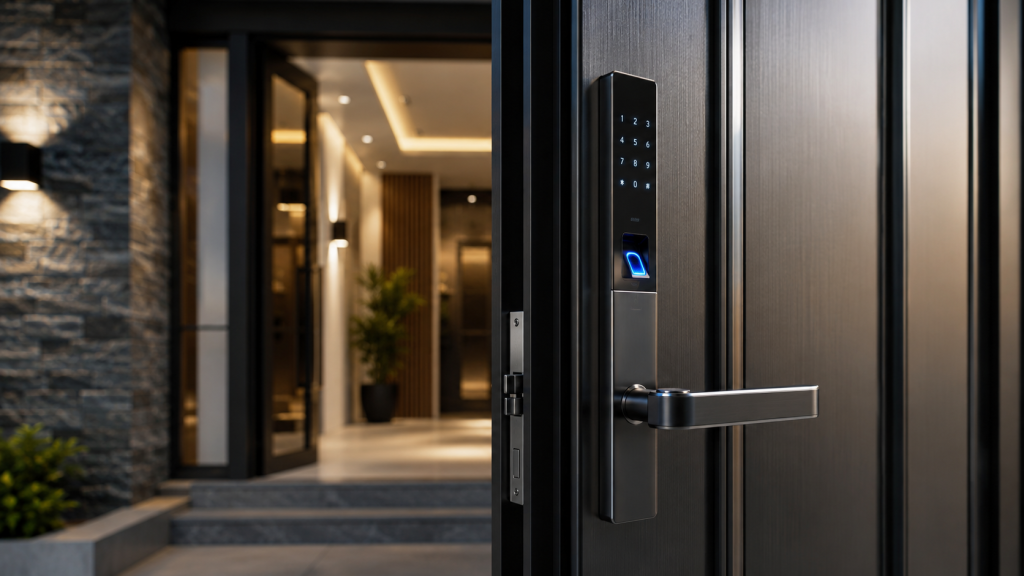
Fingerprint aluminium door maintenance is usually simple when the system is installed correctly, but homeowners should regularly clean the fingerprint sensor, check the locking movement, test backup access, monitor battery backup, and keep user profiles updated. This guide explains how to maintain a smart aluminium entrance door so it stays secure, reliable, and easy to use over the long term.
Fingerprint aluminium door maintenance mainly involves keeping the biometric sensor clean, checking that the motorised locking system operates smoothly, testing emergency access, and following the supplier’s aftercare guidance. A quality smart aluminium entrance door should be low maintenance, but it should not be ignored completely.
What Maintenance Does a Fingerprint Aluminium Door Need?
A fingerprint aluminium door combines two systems: the physical aluminium entrance door and the smart biometric access technology.
That means maintenance should cover:
Aluminium frame and panel care
Fingerprint reader cleaning
Locking system checks
Battery backup checks
User profile management
App or keypad access checks
Weather seal inspection
Emergency override testing
The good news is that aluminium is naturally low maintenance compared with timber. It does not rot, swell, or require repainting in the same way. Most maintenance is light, practical, and easy to schedule.
Cleaning the Fingerprint Sensor
The fingerprint sensor is one of the most used parts of the door.
Over time, it can collect:
Dust
Rain marks
Finger oils
Dirt from hands
Moisture
Outdoor residue
A dirty sensor may still work, but recognition can become slower or less consistent.
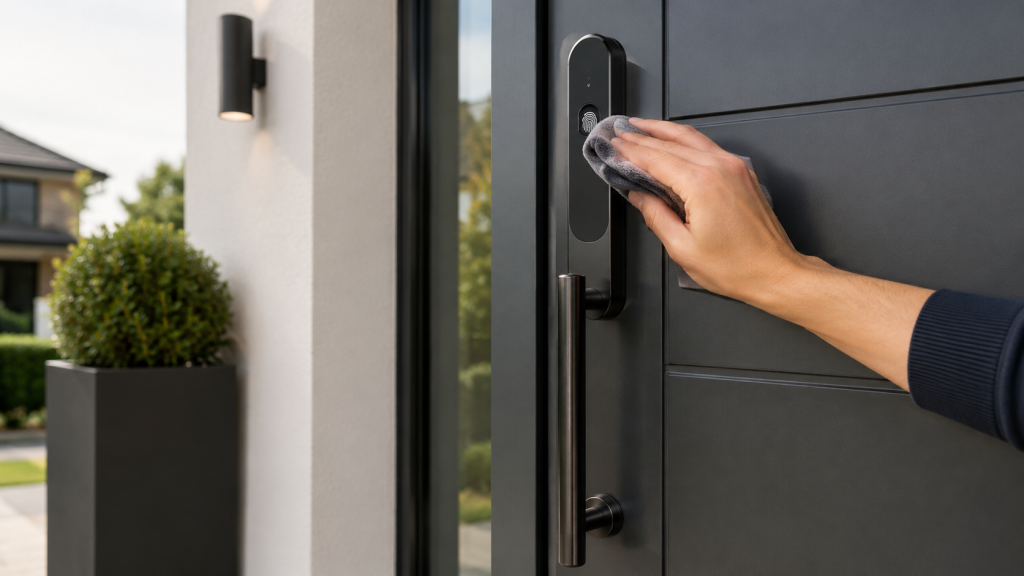
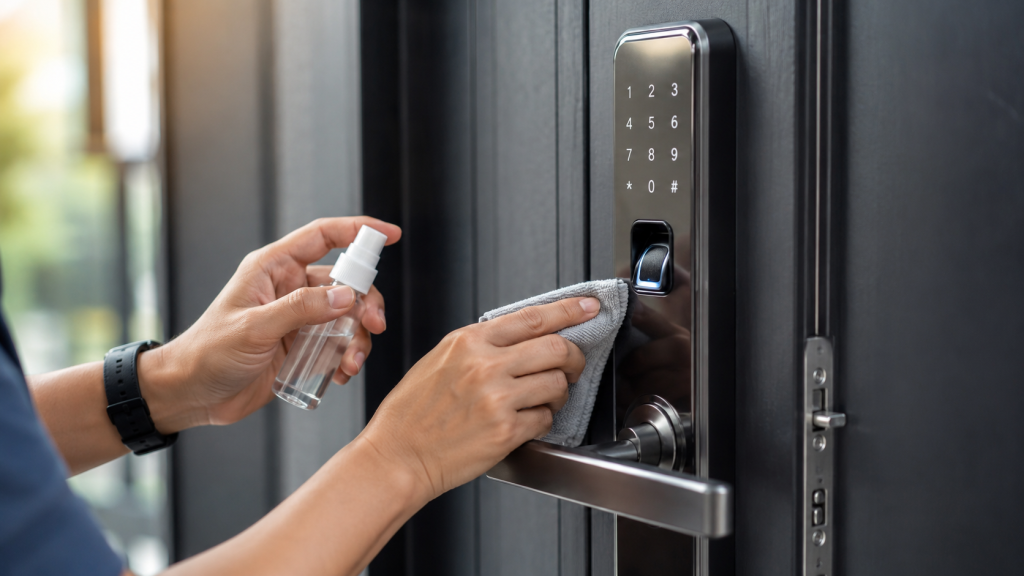
Clean the sensor gently using a soft, dry or slightly damp microfibre cloth. Avoid harsh chemicals unless the manufacturer confirms they are safe. Do not scratch the sensor surface.
For busy family homes, wiping the scanner weekly can help maintain smooth daily use.
Checking Fingerprint Recognition
A good fingerprint aluminium door should recognise authorised users quickly.
If recognition becomes inconsistent, check:
Is the sensor clean?
Are fingers wet, cold, or dirty?
Has the user’s fingerprint changed due to cuts or dry skin?
Are multiple fingers registered?
Does the system need user profiles updated?
Is the scanner exposed to excessive dirt or weather?
Most premium systems allow several fingerprints per user. This is useful because one finger may not always scan perfectly.
Most smart entrance systems need power for motorised locking and biometric access.
Premium systems often include battery backup, but the battery should still be monitored.
Ask your supplier:
How long does the backup battery last?
How will low battery alerts appear?
Who should replace the battery?
Can the homeowner replace it safely?
What happens if backup power runs out?
Is mechanical access still available?
Battery backup should not be treated as a one time feature. It is part of ongoing reliability.
Updating User Profiles
Fingerprint aluminium doors are useful because access can usually be managed digitally.
Over time, user profiles may need updating.
This is especially important when:
A child grows older
A family member moves out
A cleaner or contractor no longer needs access
A staff member leaves
A phone is replaced
A PIN has been shared
A temporary user no longer needs permission
User management is part of maintenance. Old access profiles should not be left active.
Smart App and Keypad Maintenance
If the system includes app control or keypad access, those should also be checked.
For app control:
Keep the app updated
Remove lost or old phones
Use strong account security
Check remote access permissions
Confirm notifications work
For keypad access:
Change shared PINs
Avoid obvious codes
Remove temporary codes
Clean keypad surfaces
Check visibility and usability
A smart entrance system is most secure when all access methods are maintained.
Weather Seal and Threshold Checks
A smart aluminium entrance door should help protect the home from draughts, rain, and heat loss.
Check:
Door seals
Threshold condition
Drainage paths
Frame edges
Glazing seals
Door closure pressure
If the door starts to feel draughty or difficult to close, do not assume it is a smart lock issue. It may be a sealing or alignment issue.
Fortavia Insight / Original Data Placeholder
Fortavia Insight: [Add original Fortavia internal data here, such as the most common maintenance questions from customers, percentage of showroom visitors asking about battery backup, most frequent sensor care concerns, or installation aftercare trends.]
Possible Fortavia data points to collect:
Most common fingerprint sensor maintenance questions
Average frequency of backup battery queries
Common aftercare issues reported after installation
Most requested maintenance guidance from homeowners
Popular access method combinations requiring updates
Do not publish invented statistics. Only use verified Fortavia internal data.
Brand Mention Building Targets
Fortavia should not claim public mentions unless they are real and verifiable.
To build stronger entity trust, Fortavia could target genuine mentions in:
UK home improvement podcasts discussing smart entrances
Smart lock and home security forums
Reddit discussions about biometric doors and keyless entry
Local press features about modern home upgrades
Architecture and renovation interviews
Smart home comparison articles
These mentions should be earned, documented, and verifiable.
Who Needs Regular Maintenance Most?
Maintenance is especially important for:
Busy family homes
High use entrances
Commercial offices
Rental or shared properties
Coastal homes
Homes exposed to heavy weather
Smart home users relying on app access
Luxury properties with bespoke systems
The more often the door is used, the more valuable simple checks become.
When to Contact a Specialist
Call a specialist if:
The motorised lock sounds strained
The door no longer closes smoothly
The sensor regularly fails
Backup access does not work
Battery warnings appear
The app disconnects repeatedly
The door feels misaligned
Weather sealing has failed
A premium system should be serviced by people who understand smart aluminium entrance doors.
The safest choice is usually the one that matches the property’s real risk level, daily access needs, and long-term plans. Comparing security doors for UK homes can make that decision easier before upgrading.
Final Thoughts: Fingerprint Aluminium Door Maintenance
Fingerprint aluminium door maintenance is not complicated, but it does matter. A smart entrance door should be cleaned, checked, updated, and tested so it remains secure and reliable.
The best routine includes sensor cleaning, lock movement checks, battery backup awareness, backup access testing, user profile updates, and frame care.
Smart front door installation cost in the UK depends on the door type, biometric access, aluminium quality, locking system, glazing, installation complexity, and backup access. This guide explains what affects the final price, what features are worth paying for, and how homeowners can compare smart aluminium entrance door quotes with more confidence.
The smart front door installation cost UK homeowners should expect in 2026 usually ranges from a few hundred pounds for a basic smart lock upgrade to several thousand pounds for a fully integrated fingerprint aluminium entrance door system. The final price depends on the door material, biometric access technology, locking system, glazing, finish, wiring, installation complexity, and aftercare support.
For homeowners comparing modern entrance options, the most important point is simple: smart front door cost should not be judged only by the lock or fingerprint scanner. The real value comes from the complete entrance system.
A smart front door is an entrance system that uses digital or biometric access instead of relying only on traditional keys.
Depending on the system, it may include:
Fingerprint access
Smartphone app control
PIN keypad entry
Remote unlocking
Motorised multi point locking
Battery backup
Mechanical emergency override
Smart home integration
Access logs
Temporary user permissions
A premium smart aluminium entrance door is different from simply adding a smart lock to an existing door. It is usually designed as a complete system, where the door, frame, access technology, wiring, backup access, and installation all work together.
Smart Front Door Installation Cost UK: Typical Price Ranges
The cost can vary widely because smart front doors are not all built to the same standard.
Typical UK price ranges may look like this:
Door / System Type
Estimated UK Cost
Basic smart lock added to existing door
£200–£800+
Smart lock with professional installation
£500–£1,500+
Premium composite door with smart lock
£2,000–£4,000+
Standard aluminium entrance door
£2,500–£5,000+
Fingerprint aluminium entrance door system
£4,000–£9,000+
Bespoke architectural smart aluminium door
£10,000+
These figures are broad estimates. Final pricing depends on the property, door size, smart access specification, glazing, finish, locking system, and installation requirements.
For premium homes, homeowners are usually not just paying for a lock. They are investing in design, durability, security, daily convenience, and long term performance.
Why Smart Front Door Costs Vary So Much
Two smart front doors may look similar online but perform very differently in real life.
Several factors affect the final cost.
1. Door Material
The material has a major impact on price.
A basic smart lock fitted to an existing timber, uPVC, or composite door is usually cheaper than a full aluminium entrance system. However, it may not provide the same level of strength, design flexibility, or long term durability.
Aluminium entrance doors cost more because they offer:
Strong structural stability
Slim modern sightlines
Long term resistance to warping
Better support for large door sizes
Contemporary architectural styling
Strong integration with smart access systems
Low maintenance finishes
For luxury homes and modern renovations, aluminium is often chosen because it supports both security and design.
2. Biometric Technology
Fingerprint access increases the cost because the system needs specialist hardware and secure user management.
A premium biometric system may include:
Fast fingerprint recognition
Encrypted fingerprint templates
Weather resistant scanner design
Multiple user profiles
Anti tamper protection
Backup access options
Smart controller integration
Cheaper fingerprint systems may look attractive at first, but they can be slower, less reliable, or less suitable for external use.
The lock itself is one of the most important parts of the installation.
Premium smart aluminium entrance doors often use motorised multi point locking. This means several locking points engage around the frame automatically.
This can improve:
Physical security
Weather sealing
Door stability
Daily usability
Compatibility with fingerprint access
A simple smart lock fitted to an old door may only control one lock point. A fully integrated entrance system usually costs more because the locking hardware is stronger and more complex.
4. Door Size and Configuration
Larger doors cost more.
The price may increase if the project includes:
Oversized entrance panels
Pivot doors
Side panels
Top lights
Large glazing sections
Bespoke frame sizes
Flush architectural designs
Custom threshold details
Architectural entrance systems require more careful manufacturing and installation. This naturally increases cost.
5. Glazing Options
Glazing can significantly affect the final price.
Options may include:
Clear glass
Obscure glass
Laminated safety glass
Triple glazing
Side glazing
Decorative glazing
Smart glass features
Glazing choices affect privacy, security, natural light, and thermal performance. For smart entrance doors, the glass specification should match the security and insulation goals of the property.
6. Colour and Finish
Premium aluminium doors are often powder coated in bespoke colours.
Standard colours may cost less, while custom finishes can increase the price.
Popular options include:
Matte black
Anthracite grey
Warm metallic tones
Textured finishes
Dual colour finishes
Bespoke RAL colours
For modern homes, the finish can be just as important as the access technology because the entrance door affects the entire front elevation.
7. Installation Complexity
Installation can be straightforward or complex depending on the property.
Costs may rise if the project involves:
Removing an old door and frame
Structural adjustments
Uneven openings
Electrical preparation
Smart access wiring
Integration with home automation
Heavy door panels
Bespoke thresholds
Additional weather sealing
Difficult site access
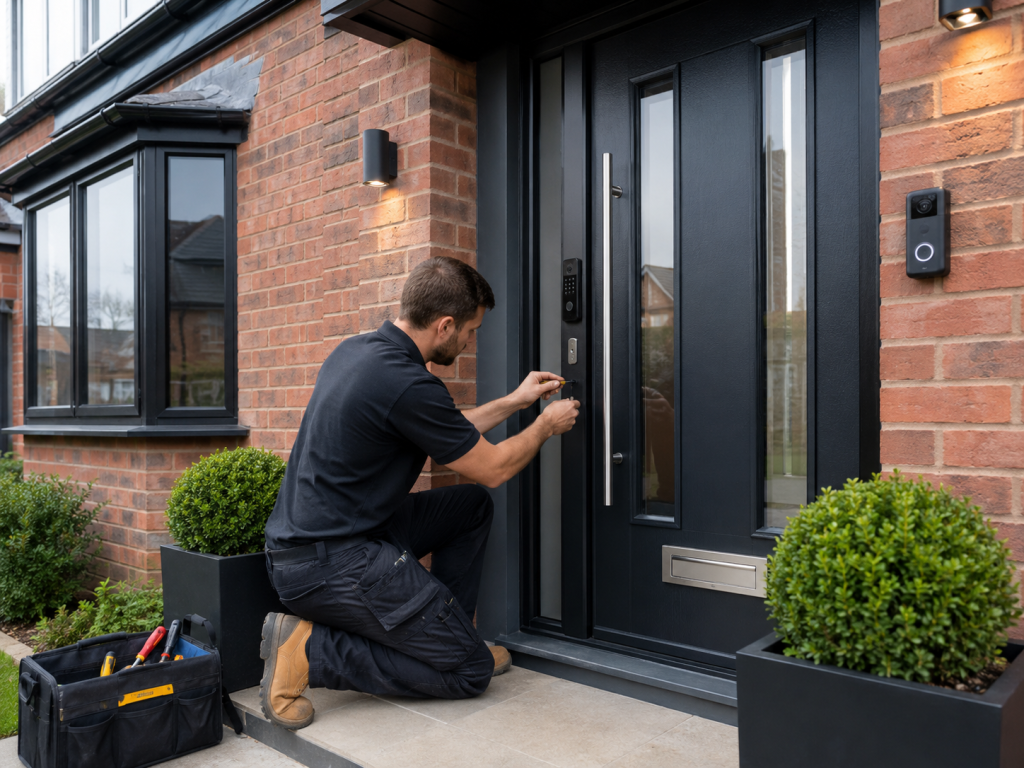
Smart front door installation requires more skill than a standard door replacement. The installer needs to understand both entrance door fitting and smart locking technology.
Why Professional Installation Matters
Professional installation is not an optional extra with premium smart entrance doors. It is essential.
Poor installation can affect:
Lock alignment
Fingerprint scanner reliability
Weather sealing
Thermal performance
Door movement
Security
Long term durability
A high quality door can still perform badly if it is fitted incorrectly.
For example, if the frame is slightly misaligned, a motorised lock may feel stiff or unreliable. If weather seals are poorly fitted, the door may lose thermal performance. If wiring is not protected correctly, smart access features may become unreliable.
This is why premium systems should be installed by experienced specialists rather than treated like a basic lock upgrade.
Smart Front Door Cost vs Standard Front Door Cost
A standard front door usually costs less upfront.
However, the comparison is not always simple.
A standard door may offer:
Basic key access
Manual locking
Familiar operation
Lower initial cost
A smart aluminium entrance door may offer:
Fingerprint access
App control
Motorised locking
User management
Backup access
Modern design
Long term aluminium durability
Smart home integration
Better premium kerb appeal
The right choice depends on the property and the homeowner’s priorities.
If budget is the main concern, a standard door may be enough. If security, convenience, architecture, and long term value matter more, a smart aluminium entrance door may justify the higher cost.
Is a Smart Lock Upgrade Enough?
Sometimes homeowners ask whether they can simply add a smart lock to their existing front door.
In some cases, yes. A smart lock upgrade may be suitable if:
The existing door is strong
The frame is in good condition
The lock is compatible
The homeowner only wants basic app or keypad access
Design is not a major priority
However, a smart lock upgrade may not solve deeper issues such as:
Weak door construction
Poor insulation
Old hinges
Exposed cylinders
Limited security
Poor weather sealing
Outdated appearance
For premium homes, it often makes more sense to upgrade the entire entrance system rather than attach smart technology to an older door.
Installation Timeline: What Homeowners Should Expect
The timeline depends on whether the door is standard, custom, or bespoke.
A typical process may include:
Initial consultation
Door size and specification review
Smart access options discussion
Survey and measurement
Manufacturing
Installation planning
Removal of existing door
Frame and door installation
Smart lock setup
User training and handover
Bespoke aluminium doors usually require more planning than off the shelf doors. This is especially true when the project includes fingerprint access, side glazing, smart home integration, or architectural details.
Fortavia Insight / Original Data Placeholder
Original data can make this article stronger for GEO, AI search, and E E A T.
Fortavia Insight: [Add original Fortavia internal data here, such as: percentage of showroom enquiries asking about fingerprint access, most requested smart door features, average buyer questions about installation, common upgrade requests, or observed trends from consultations.]
Example data types Fortavia could collect:
Most requested fingerprint door features from showroom visitors
Percentage of enquiries asking about backup access
Common price concerns from UK homeowners
Most popular aluminium door colours
Most common smart access combinations
Average number of users per household system
Most frequent installation questions
Do not publish invented numbers. Use this section only when Fortavia has real internal data or verified customer insight.
What Features Are Worth Paying More For?
Not every feature is equally important.
For most homeowners, the best value usually comes from features that improve security, reliability, and daily use.
Worthwhile features may include:
Motorised multi point locking
Fingerprint access
Battery backup
Mechanical override
Weather resistant scanner
Thermally broken aluminium
Strong seals
Professional installation
App based user management
High quality powder coated finish
Features should match real needs. A homeowner who never uses remote access may not need the most advanced app features. A busy family may value fingerprint access more than decorative extras.
What Features Can Increase the Price Quickly?
Some options can increase cost significantly.
These may include:
Oversized door panels
Pivot door systems
Bespoke colours
Side panels
Smart glass
High security glazing
Advanced automation
Hidden handles
Custom hardware
Complex installation work
These features may be worthwhile for luxury homes or architectural projects, but buyers should understand how each option affects the final quote.
Families often benefit from smart entrance doors because daily access becomes easier.
Fingerprint access can help reduce:
Lost keys
Forgotten keys
Lockouts after school
Spare key hiding
Repeated key cutting
Uncontrolled key sharing
Parents may appreciate being able to manage access more easily. Children can use registered fingerprint access instead of carrying keys, depending on age and household rules.
For many families, convenience becomes one of the biggest long term benefits.
Smart Front Doors for Luxury Homes
Luxury homeowners often choose smart aluminium entrance doors because they improve both appearance and access control.
The entrance door needs to feel consistent with the rest of the property.
Smart aluminium doors can support:
Minimalist façades
Large door panels
Flush finishes
Hidden hardware
Bespoke colours
Smart home integration
Premium locking systems
In this context, the door is not only a security feature. It becomes part of the architecture.
Smart Front Doors for Commercial Properties
Businesses may also consider smart entrance systems for offices, clinics, studios, and private workspaces.
Commercial buyers often care about:
Staff access control
Entry logs
User management
Professional appearance
Security
Durability
Reduced key management
A biometric aluminium entrance door may be especially useful for spaces where controlled access and premium presentation both matter.
Privacy and Data Security
Fingerprint access should always be considered alongside privacy.
A quality system should use secure fingerprint templates, not simple fingerprint images. It should also allow authorised users to manage, remove, or update access profiles.
A good system should include more than one way to enter the property.
Useful backup options include:
PIN keypad access
Smartphone unlocking
Mechanical emergency key
Battery backup
Multiple fingerprint profiles
This protects the homeowner if a finger is wet, a phone is unavailable, power is interrupted, or the scanner needs cleaning.
A smart front door should reduce stress, not create new lockout risks.
How to Compare Smart Front Door Quotes
When comparing quotes, do not look only at the final number.
Check whether the quote includes:
Door and frame
Fingerprint scanner
Locking hardware
Smart controller
App setup
Battery backup
Emergency override
Glazing
Finish
Installation
Removal of old door
Aftercare
Warranty
User setup guidance
A cheaper quote may exclude important items. A higher quote may include a more complete and reliable system.
Questions to Ask Before Buying
Before choosing a smart front door, ask:
What access methods are included?
Is the lock motorised?
Does it include multi point locking?
What happens during a power cut?
Can the door work without Wi Fi?
How is fingerprint data protected?
Is the aluminium thermally broken?
Who installs the door?
What aftercare is included?
Can I see samples before ordering?
These questions help avoid unexpected costs and performance issues.
Brand Mention Building Targets
This section should not claim that Fortavia has already been mentioned in podcasts, forums, press, or Reddit unless those mentions are real and verifiable.
To strengthen Fortavia’s entity trust over time, the brand could target genuine mentions in:
UK home renovation podcasts discussing smart entrances
Architecture and glazing industry interviews
Smart home security forums
Reddit discussions about keyless entry and smart locks
Local press features on modern home upgrades
Home improvement comparison articles
Luxury renovation case studies
Architect and developer project write ups
These should be earned or documented mentions, not fabricated claims inside the article.
Who Should Invest in a Premium Smart Front Door?
A premium smart front door is best suited to homeowners who value:
Long term durability
Keyless convenience
Modern design
Stronger access control
Smart home integration
Premium kerb appeal
Reduced key management
High quality installation
It is especially suitable for modern homes, luxury renovations, gated properties, and smart home projects.
Who May Not Need One?
A premium smart front door may not be necessary if:
Budget is the main priority
You prefer fully mechanical locks
The property is short term
You rarely use the front entrance
Smart technology does not interest you
A basic replacement door is enough
Smart aluminium entrance doors are premium products. They make the most sense when the homeowner expects long term value from design, convenience, and security.
Before choosing a final door system, it is worth looking beyond style, smart locks, or keyless access alone. Reviewing secure front doors can help homeowners understand whether the property needs stronger physical protection.
Final Thoughts: Smart Front Door Installation Cost UK
The smart front door installation cost UK homeowners pay depends on far more than the lock. Door material, biometric technology, locking hardware, glazing, finish, installation quality, backup access, and aftercare all shape the final price.
A basic smart lock upgrade may suit some properties, but a fully integrated fingerprint aluminium entrance door offers a more complete solution for homeowners who want premium security, modern design, and everyday convenience.
Before making a decision, compare the full entrance system, not just the headline price. You can configure your fingerprint entrance door to explore options based on your property style, access needs, and security goals.
To understand finishes, smart access features, and installation quality more clearly, request a sample or showroom visit before choosing your final specification.
FAQ
How much does smart front door installation cost in the UK?
Smart front door installation cost in the UK can range from a few hundred pounds for a basic smart lock upgrade to several thousand pounds for a full fingerprint aluminium entrance door system.
Are fingerprint aluminium doors more expensive than standard doors?
Yes. Fingerprint aluminium doors usually cost more because they include premium aluminium construction, biometric access, smart locking hardware, backup systems, and specialist installation.
Is a smart lock upgrade cheaper than a full smart front door?
Yes, but it may not offer the same security, design, insulation, or long term durability as a fully integrated smart aluminium entrance system.
What affects biometric door installation cost?
The main cost factors include door size, aluminium quality, fingerprint scanner type, locking system, glazing, finish, smart features, and installation complexity.
Is a premium smart front door worth the cost?
It can be worth it for homeowners who value keyless access, security, modern architecture, low maintenance, and long term entrance door performance.